Fearing loss of market share in China, Hollywood studios are now removing from their films any content related to Tibet or other human rights issues considered politically sensitive by Beijing, according to a U.S.-based media freedoms group.
“As U.S. film studios compete for the opportunity to access Chinese audiences, many are making difficult and troubling compromises on free expression,” PEN America says in a recent report, “Made in Hollywood, Censored by Beijing.”
Film content is now frequently changed even for American audiences, while studios provide censored versions of films specifically for Chinese audiences and sometimes invite Chinese censors onto film sets to advise them on how to avoid “tripping the censors’ wires,” PEN America said.
Studios’ decisions on casting, plot, dialogue, and settings are now made “based on a desire to avoid antagonizing Chinese officials who control whether their films gain access to the booming Chinese market,” PEN America said, adding that these decisions are carefully made “behind closed doors” and out of public view.
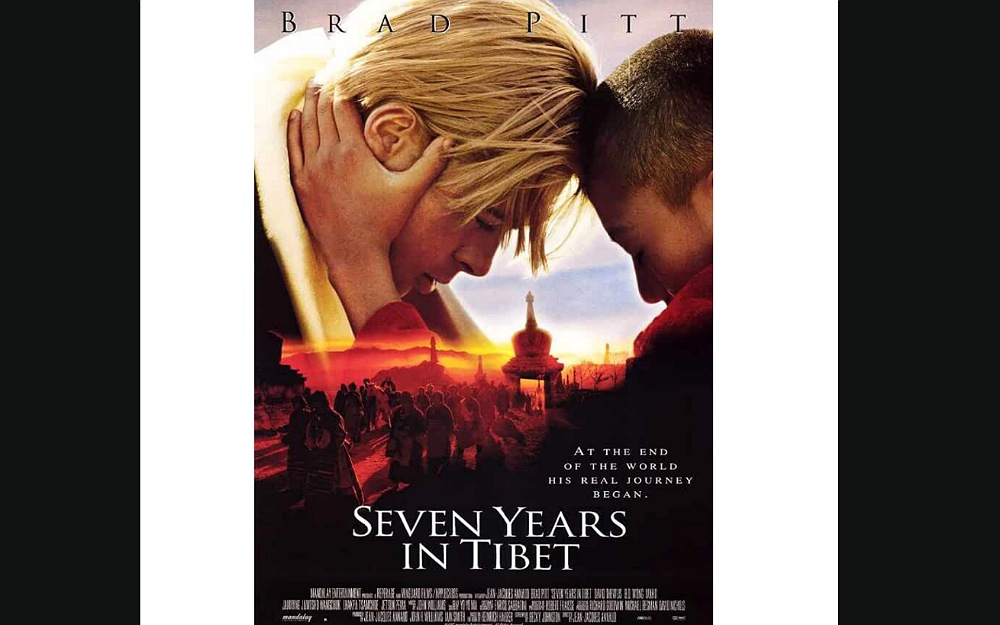
After making two films in 1997—Kundun and Seven Years in Tibet–depicting China’s conquest of Tibet, two major studios were banned from doing business in China for the next five years, and Hollywood quickly got the message, with Disney CEO Michael Eisner going to Beijing to apologize for his company’s production of Kundun and its sympathetic treatment of exiled Tibetan spiritual leader the Dalai Lama.
Seven Years in Tibet, starring Brad Pitt, was also supportive of Tibet and would never be made again today, Emily Jashinsky—Cultural Editor at The Federalist—told RFA’s Tibetan Service in an interview.
“Seven Years in Tibet is a great example of a film that would never be made in today’s Hollywood, and this is because everybody in the industry is absolutely petrified of being blacklisted by the Chinese Communist Party,” Jashinsky said.
“Hollywood would be terrified even if they made that movie just for viewing in the United States and elsewhere, and not to be shown in China,” Jashinsky said, adding that movies with sympathetic treatments of Tibet are “politically against what the CCP wants their narrative to be.”
An invisible phenomenon
As an industry, Hollywood should develop a mechanism for disclosure that would reveal censorship requests made to it by foreign governments and say how studios responded, said James Tager, PEN Deputy Director of Free Expression Research and Policy.
“Ultimately, self-censorship flourishes in obscurity or in invisibility. So if we want to tackle this issue, we have to start discussing this more honestly and address the fact that this is largely an invisible phenomenon.”
China’s influence over Hollywood reflects the country’s growing success in forcing foreign corporate compliance with Beijing’s propaganda goals, with international companies as diverse as Mercedes-Benz and Marriott giving in to Chinese censorship demands, PEN America said in its report.
Meanwhile, the media freedoms group said, Hollywood films reach billions, and “help to shape the way people think.”
In a statement sent to RFA, U.S. Senator Ted Cruz said that one way Beijing attempts to advance its preferred narrative about Tibet and other issues sensitive to China is by “coercing Americans into self-censorship—especially in Hollywood.”
“That’s why I have introduced the SCRIPT Act, which would cut off Hollywood studios from assistance they receive from the U.S. Government if those studios censor their films for screening in China,” Cruz said, calling the proposed legislation a “wake-up call” for Hollywood.
“I remain committed to protecting our national security and ensuring that the Chinese Communist Party is held accountable for their censorship, human rights abuses, propaganda campaigns, and espionage operations,” Cruz said.
Reported and translated by Tenzin Dickyi for RFA’s Tibetan Service. Written in English by Richard Finney.
Copyright © 1998-2020, RFA. Used with the permission of Radio Free Asia, 2025 M St. NW, Suite 300, Washington DC 20036. https://www.rfa.org
Opossum Hanging on Fishing Hook Saved from Tree in North Carolina

Cane Corso Dog Breed

Buy Now Pay Later Fraud

Could ‘Apron Dad’ on North Korean TV Pave the Way for Kim Jong Un’s Daughter to Rule?

UN Security Council Meets on Maintenance of Peace and Security of Ukraine

Pet Iguana in Kansas Neighborhood Rescued from Tree
Curly Coated Retriever

Backpropagation
Subscribe Our You Tube Channel

Fighting Fake News
Fighting Lies