South Africa kick-started its first phase of the vaccination rollout programme using the Johnson & Johnson vaccine on Wednesday.
Yesterday, the first group of healthcare workers lined-up to receive the shot of the 80 0000 Johnson & Johnson vaccines that landed on Tuesday, which the department has described as a success.
The Health Department answers some of the burning questions about who will get it first; why it is a good choice for the country; why pregnant woman cannot get the shot and how effective it is?
Why is the Johnson & Johnson vaccine a good first choice for the National Vaccination Programme?
It was tested in a large trial of almost 44 000 people from four continents, of whom 7 000 participants came from South Africa.
The study also provided a good picture of how the vaccine works against the new 501Y.V2 variant, which is dominant in South Africa and currently responsible for around nine in 10 of all COVID-19 infections detected during the second wave.
The South African trial showed that while the Johnson & Johnson vaccine is not going to prevent mild symptoms, it provides 57% protection against moderate-severe disease, 85% protection against severe disease and 100% protection against death.
By way of comparison, the Oxford-AstraZeneca vaccine provided only 27% protection against mild to moderate COVID-19 caused by the new 501Y.V2 variant.
How does the Johnson & Johnson vaccine compare with other COVID-19 vaccines?
Like all COVID-19 vaccines, the jab contains instructions for the spike protein on the Coronavirus.
These instructions are delivered to the immune system by a modified adenovirus that has also been used in other vaccines, such as the Ebola and Zika shots.
The adenovirus is safe to use in vaccines as it has been modified so that it cannot cause disease or replicate in humans.
Non-active ingredients in the vaccine include sodium chloride, citric acid monohydrate buffer, polysorbate 80, 2 hydroxypropyl-β-cyclodextrin (HBCD), ethanol (absolute), sodium hydroxide and water for injection.
All of these ingredients are safe for human consumption.
The vaccine does not contain any animal products and is halal.
How does the vaccine protect you against COVID-19?
When injected, the vaccine trains your immune system to fight the virus that causes COVID-19.
The vaccine does not contain the Coronavirus and will not give you COVID-19.
Some mild side effects include tenderness at the injection site, feeling unwell, feverish and a headache for a few days and these are positive signs that the body is mounting an immune response to the Coronavirus.
When you encounter real Coronavirus particles in future, your immune system will be able to disarm the virus so that you either do not fall ill at all or if you do, the symptoms are mild and your chances of being hospitalised or dying are much lower.
How is it stored?
The vaccine has a long shelf life of two years at minus 20 degrees Celsius and can be safely stored in a domestic fridge for a month.
This makes it suitable for widespread rollout in warmer countries like South Africa as ultra-cold freezers are not needed.
How is the vaccine given and when does protection start?
The vaccine is given as a single dose into the upper arm.
Protection starts around 10 to 14 days after vaccination and even as early as seven days for severe disease and can also rise to good levels around a month after vaccination.
It is currently the only vaccine available that uses a single dose, while others require two shots.
No vaccine provides 100% protection. However, the jab is said to provide 57% protection against moderate-severe disease, 85% protection against severe disease, and 100% protection against death.
The researchers are still waiting for further results on how effective the vaccine is at preventing asymptomatic transmission.
It is important you continue to use masks, practise social distancing and good hand hygiene.
If you are a healthcare worker, you still need to wear your personal protective equipment (PPE) and stay vigilant, even after you are vaccinated.
Why is a research programme being used to make the vaccine available?
Manufacturers apply for vaccines to be licensed after trials show to be safe and effective.
The Johnson & Johnson trial results were released in early February and applications for licensing are underway in the United States, Europe and South Africa.
The Sisonke ‘Together’ programme allows the government to make this safe and effective vaccine immediately available to healthcare workers using a research study.
Sisonke is not the same as a clinical trial, rather a way that research can help to make it available while the licensing process takes place.
The South African government has chosen to move ahead with this programme because it would be unethical to withhold a vaccine known to be safe and effective.
The South African Health Products Regulatory Authority (SAHPRA) has approved the use of the vaccine for the programme while it processes the full licensing.
It is important to understand that the fact that it is not yet licenced does not mean that it is not safe or effective.
The third wave of COVID-19 is predicted to begin in South Africa this winter and protecting healthcare workers is a priority and so we must start vaccinating healthcare workers before the third wave arrives.
How is the Sisonke rollout going to work?
South Africa has secured 500 000 doses of the vaccine from Johnson & Johnson, enough to vaccinate half a million health workers.
The first batch of 80 000 doses arrived on Tuesday, 16 February and further deliveries will follow every two weeks.
Vaccines will be available at 17 hospitals throughout the country where teams of researchers and vaccinators will work together to deliver the vaccine to health workers up to 10 hours a day, seven days a week.
I am a health worker. How can I access the programme?
The first step to accessing a vaccine is to register on the country’s Electronic Vaccination Data System (EVDS). You can access the system by visiting this website: https://vaccine.enroll.health.gov.za
In general, patient-facing health workers will receive priority access to vaccines.
Non-clinical staff and traditional healers are also eligible to register on the EVDS system.
You will receive an SMS alert with a vaccination voucher and details on what vaccination centre to attend and when.
You will also be asked to read an information sheet and provide advanced consent for vaccination before your visit.
On the day of your vaccination, you will need to arrive with your voucher and an identity document.
Why do I need to sign consent for the vaccine?
Consent to be vaccinated against COVID-19 is being sought in most national vaccination campaigns around the world. This is common when vaccines are provided under Emergency Use Authorisation mechanisms.
You will also be asked to provide consent for the Johnson & Johnson vaccine as part of the early access arrangement through the Sisonke programme.
The information has been loaded on the EVDS system and you will need to read it and agree to receive it before you attend your vaccination visit. Staff will also recheck this with you to attend your vaccination.
It also includes consent to access your medical records to monitor any future episodes of COVID-19 or hospitalisations.
This information will include where appropriate, your ID number, name, date of birth, postcode and contact details.
This information will be kept safe and only Sisonke researchers will monitor the effectiveness of the vaccination programme and access secure and anonymised data.
Are there any reasons why you will not be able to access the programme?
The vaccine is unavailable to pregnant women during this initial stage, which is a common practice when vaccines are not yet fully licensed, such as during clinical trials.
This is done because at this stage there is very little information on the safety of the Johnson & Johnson vaccine in pregnancy.
It is highly expected that the jab will be found to be safe in this population and that pregnant women will become eligible for vaccination in the coming months.
Similar vaccines to the Johnson & Johnson COVID-19 vaccine have shown no safety concerns in pregnancy.
Access to COVID-19 vaccination for pregnant women is likely to be made available in the coming months.
However, the vaccine can be safely used in breastfeeding women.
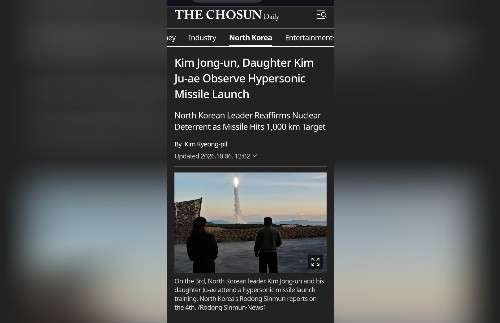
Could ‘Apron Dad’ on North Korean TV Pave the Way for Kim Jong Un’s Daughter to Rule?
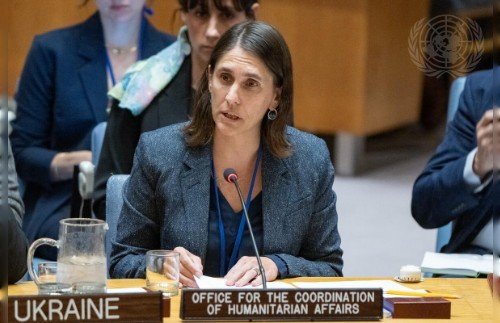
UN Security Council Meets on Maintenance of Peace and Security of Ukraine
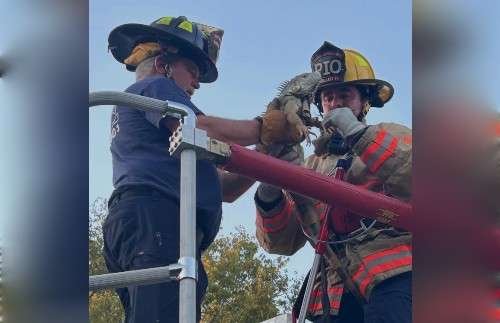
Pet Iguana in Kansas Neighborhood Rescued from Tree
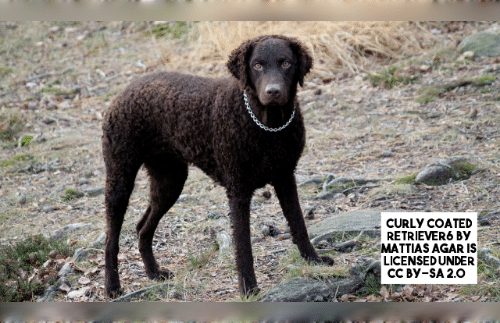
Curly Coated Retriever

Backpropagation

UN Security Council Meets on Sudan and South Sudan

From a Cardboard Box to an Iron Cage: a Father’s Fight for His Daughter’s Freedom
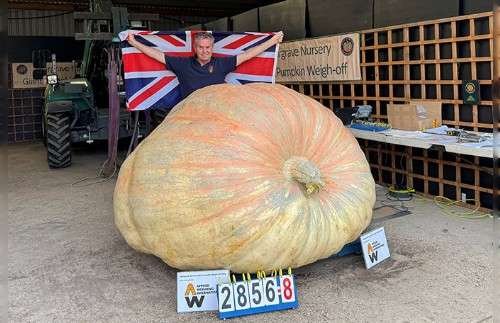
British Grower Set New World Record for the Title of Heaviest Pumpkin
Subscribe Our You Tube Channel

Fighting Fake News
Fighting Lies