
The armed rangers set off at dusk in pursuit of poachers. The COVID-19 pandemic has brought a new alertness, and a new fear.
With tourists gone and their money, too, protecting endangered wildlife like black rhinos has become that much more challenging. And the poachers, like many desperate to make a living, might become more daring.
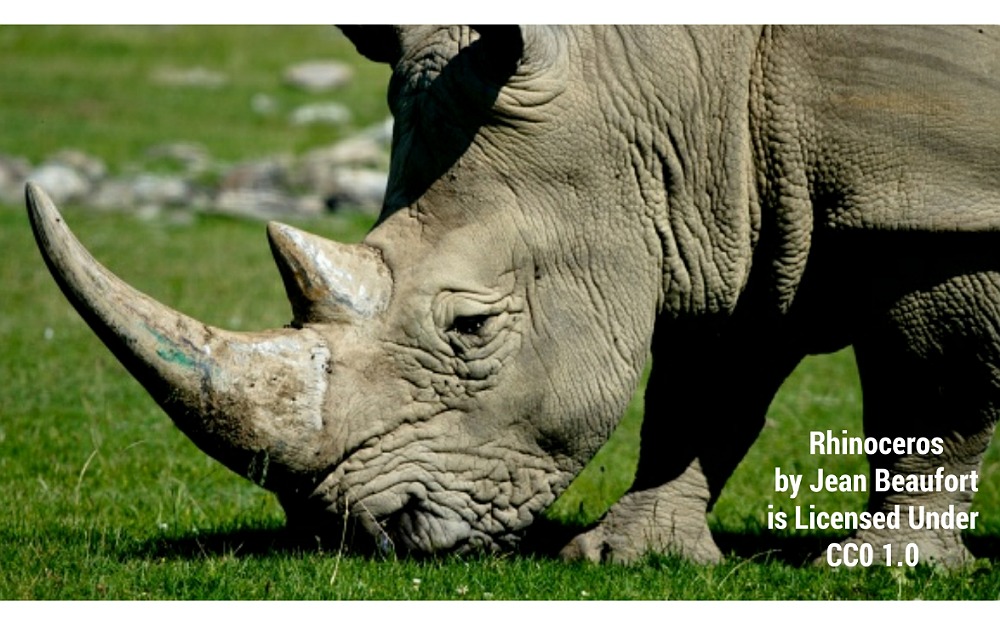
Rhinos have long been under threat from poachers who kill them for their horns to supply illegal trade fueled by the mistaken belief that the horns have medicinal value.
Now there are concerns that the COVID-19 pandemic may increase such poaching, said John Tekeles, a patrol guide and head of the dog unit at Ol Pejeta Conservancy in Kenya.
“We are more alert because maybe more poachers will use this time to come in to poach,” Tekeles said.
The number of black rhinos in Africa has been slowly increasing though the species remains “critically endangered,” according to a report in March by the International Union for Conservation of Nature, or IUCN. It credits, in part, effective law enforcement.
Ol Pejeta is home to more than 130 black rhinos, the single largest population in East and Central Africa, said Richard Vigne, the conservancy’s managing director.
Protecting them is expensive. Ol Pejeta spends about $10,000 per year per rhino on that protection, Vigne said.
Lost revenue
“In our case that comes to close to $2 million a year,” he said. “In the time of COVID, when tourism has completely stopped, where most of our revenue comes from tourism, the revenue we need to earn to protect the rhino comes from tourism, it’s a complete disaster.”
The conservancy expects to see $3 million to $4 million in lost revenue this year. Therefore, Vigne said, “our ability to look after the rhinos is compromised.”
Conservationists across Africa are now monitoring to see how poachers might try to take advantage, and whether more rare wildlife will be killed.
Africa’s various rhino species had been seeing a downward trend in poaching, according to the IUCN, with 892 poached in 2018, a drop from a peak of 1,349 in 2015.
And the population of black rhinos had been growing by an annual rate of 2.5% between 2012 and 2018 to more than 5,600.
That growth was projected to continue over the next five years, the IUCN has said-VOA

On Utah Highway, Semi-Truck Carrying French Fries Catches Fire

Tibetan Mastiffs

LLM Phishing

UN Secretary-General Meets with Assistant Secretary-General for Africa in Departments of Political and Peacebuilding

North Carolina Police Encountered Two Men Travelling Down Couch Mounted on E-Scooter

Scottish Deerhound Dog Breed

AI-Powered Mortgage Fraud

Exclusive: North Korean Army Video Says K-Drama Watchers Deserve to be Executed
Subscribe Our You Tube Channel

Fighting Fake News
Fighting Lies