




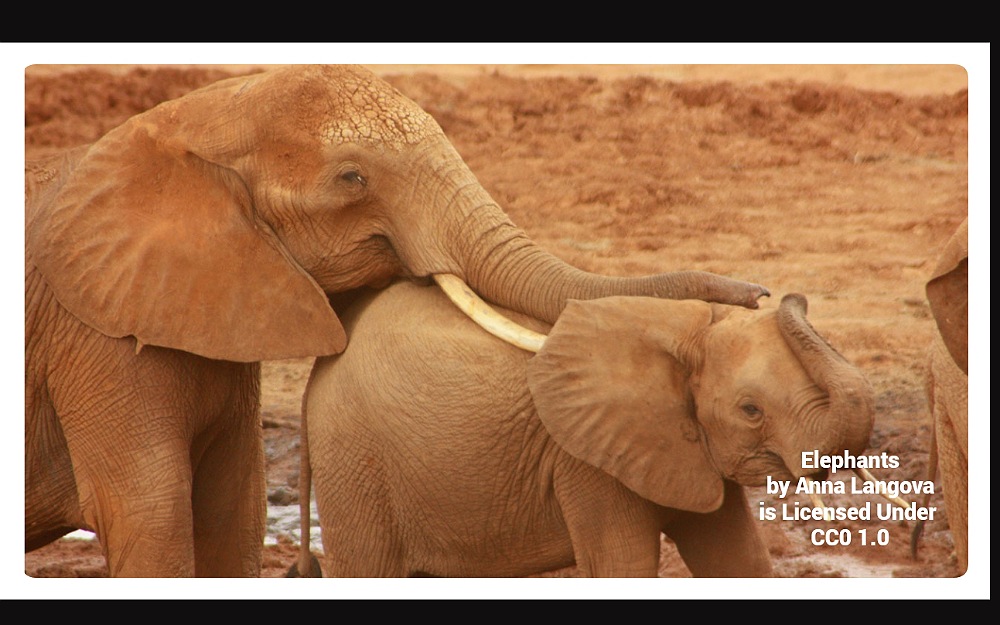
Zimbabwe parks authority officials say they suspect a bacterial disease called hemorrhagic septicemia is behind the recent deaths of at least 34 elephants in the northwestern part of the country.
The elephant deaths, which began in late August, come soon after hundreds of elephants died in neighboring Botswana in mysterious circumstances. Authorities subsequently blamed the deaths on toxins produced by another type of bacterium.
Zimbabwe Parks and Wildlife Management Authority Director-General Fulton Mangwanya said Tuesday they have discovered 34 dead elephants, but suspect more may be found. The elephants were found lying on their stomachs, suggesting a sudden death.
Mangwanya said the dead elephants were discovered in an area between the Hwange National Park and Victoria Falls in west-central Zimbabwe, suggesting to him the outbreak has been isolated.
Mangwanya said postmortems on some of the elephants showed inflamed livers and other organs. Samples have been sent to the UK and South Africa to confirm the type of disease.
Experts say that Zimbabwe’s current elephant population could be close to 90,000.
Elephants in Botswana and parts of Zimbabwe are at historically high levels — roughly half of the continent’s 400,000 elephants, according to estimates — but elsewhere on the continent, especially in forested areas, many populations are severely depleted, researchers say.
–VOA

Giant Schnauzer Dog Breed

NDR and ITDR

UN Security Council Meets on Situation in Libya

On Utah Highway, Semi-Truck Carrying French Fries Catches Fire

Tibetan Mastiffs

LLM Phishing

UN Secretary-General Meets with Assistant Secretary-General for Africa in Departments of Political and Peacebuilding

North Carolina Police Encountered Two Men Travelling Down Couch Mounted on E-Scooter
Subscribe Our You Tube Channel

Fighting Fake News
Fighting Lies