



Drastic reform may not happen, but Bangladesh’s future would be better than the past, an ex-U.S. diplomat concludes after his first visit in a decade.
Commentary by Jon Danilowicz
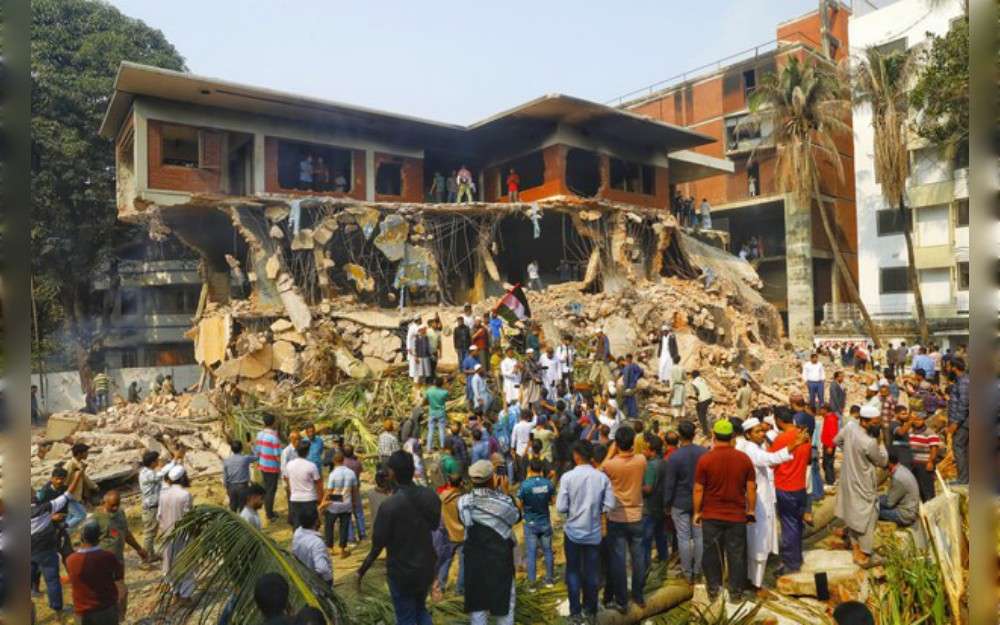
I returned to Bangladesh on March 1, 2025, after a gap of almost 10 years.
I decided to visit almost immediately after watching the historic events of July-August 2024 unfold.
I was not sure what I would find when I landed, beyond the altered skyline – with a new metro and the elevated toll roads I had heard so much about.
After two weeks filled with a host of meetings, iftars, and media appearances – and hours spent in Dhaka’s notorious traffic jams – I now have a much more nuanced sense of the challenges facing the country and its interim leadership as they endeavor to build a new Bangladesh.
As they say, seeing is believing.
One student leader who participated in the July movement that overthrew Prime Minister Sheikh Hasina said it was unfortunate that I had not come to Dhaka during the heady early days of the revolution.
Now, more than seven months later, he and his comrades who were the vanguard of what many call the “Monsoon Revolution” are understandably adjusting to a new reality – one in which change will be more incremental and emerge from a collaborative, often concessional and high stakes political process rather than street protests.
Those who had the most expansive vision for Bangladesh 2.0 have more or less accepted that the reform process being led by the head of the interim government, Chief Adviser Muhammad Yunus, will yield far more modest results.
The students do not appear dispirited, though.
They have begun to build a new political party, establish think-tanks, and develop linkages with other reform activists.
Some in Bangladesh appear worried that the passion the students displayed in bringing down the Hasina regime may resurface and take a darker turn – leading to intolerance and hindering a national reconciliation.
Others argue that the worst that could happen would be for the next government to marginalize or oppose the students.
But one thing is clear – Bangladesh’s Gen-Z is not going away and will continue to shape the country’s future.
What’s also clear to many is that the Bangladesh Nationalist Party (BNP), which was in the opposition through Hasina’s successive terms, will likely form the next government.
However, Bangladeshis have concerns about whether the party can be trusted, because of its own record during its last term in office.
Of course, the BNP publicly demonstrates its commitment to reform by participating in the Yunus-led “Consensus Commission.”
There has also been much skepticism about Tarique Rahman, BNP’s acting chairman.
The son of the ailing BNP chief Khaleda Zia, Rahman is widely expected to be named PM if the party wins the election. While he has endorsed a reform agenda, he has been out of the country for 17 years, and many are not certain he will live up to his promises.
It may be difficult for some in Bangladesh to trust someone they don’t really know.
Meanwhile, even the most diehard supporters of the interim government acknowledge its weaknesses, in particular its inability to effectively reform the police and administration, which were heavily politicized under Hasina.
This task was complicated by the flight or dismissal of so many in the senior ranks, coupled with the relative inexperience of most of Yunus’ Council of Advisers.
In addressing the weakness of the police and administration, the interim government has had to be careful not to be seen as unduly favoring supporters of any of the other political parties who will contest elections.
But if the price of addressing day-to-day concerns means forfeiting the chance of a free and fair election, then the legacy of this entire period will be tainted.
The Hasina regime’s downfall was, after all, partially a byproduct of her decision to hold three consecutive elections that were considered not free and not fair by neutral domestic and international observers.
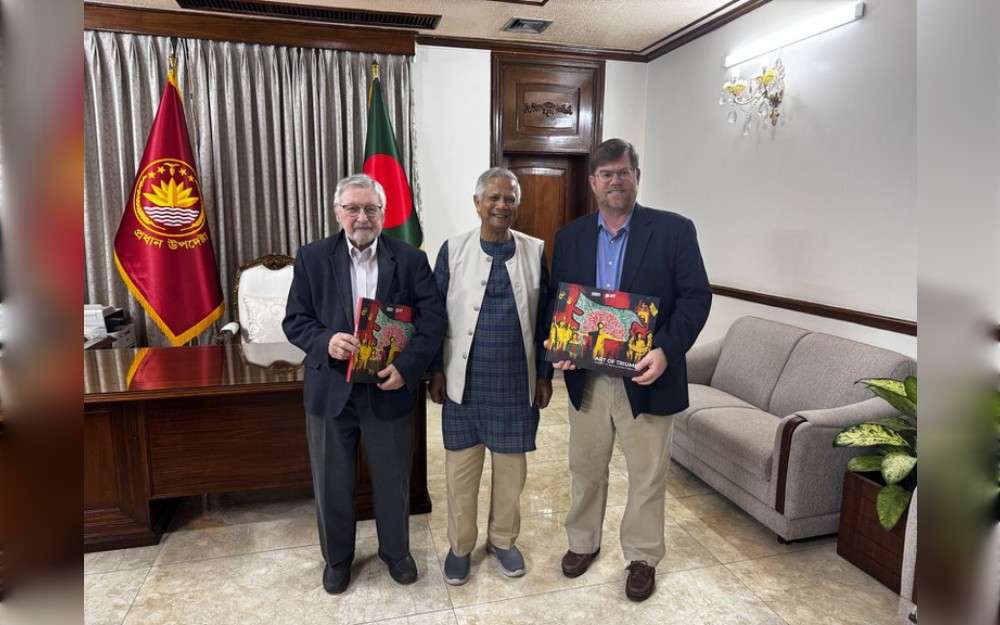
For his part, Yunus appears focused on achieving democratic reforms, holding exemplary elections, and increasing the odds that the next government will consolidate and build on these achievements.
The toughest question facing the interim government is whether to allow Hasina and her key lieutenants to contest in the upcoming election.
Leaders of Hasina’s Awami League party have shown no regret for their actions and continue to undermine the interim government.
The citizens’ biggest questions about the interim government’s ability to hold free and fair elections relate to law and order and whether the stretched police and administration can deal with potential efforts to disrupt the polls.
Most anticipate that the Army will have to play an active role in ensuring election security.
I confess to having succumbed to a degree of irrational exuberance in the early days after Hasina fled Dhaka, believing that wholesale changes to Bangladesh’s political economy would be possible under Yunus’ stewardship.
I departed Bangladesh with the realization that what reforms emerge will be much more modest, but I retain a sense of optimism, and am sure the costly lessons learned during the Hasina years will not be forgotten.
Jon Danilowicz is a retired U.S. Department of State senior Foreign Service officer with extensive experience in South Asia. During his diplomatic career he undertook three stints in Dhaka, including service as Deputy Chief of Mission at the U.S. embassy. The views expressed here are his own and do not reflect the position of the U.S. Department of State or BenarNews.
Copyright ©2015-2024, BenarNews. Used with the permission of BenarNews.