



Reyad Hossain/Dhaka
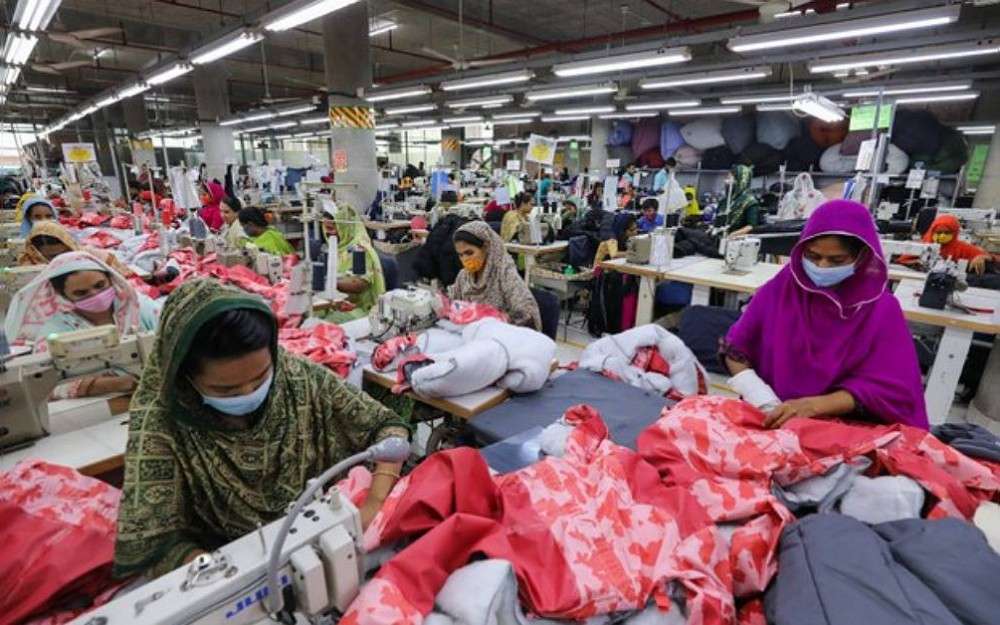
About one-fifth of Bangladesh’s ready-made garment factories do not meet fire, electrical and structural safety standards 11 years after the collapse of Rana Plaza that left more than 1,100 garment workers dead, according to an industry monitoring body.
The collapse of the factory complex was the deadliest disaster ever for Bangladesh’s garment sector, a tragedy that put the spotlight on poor conditions for workers churning out cheap clothing for Western brands and retailers.
More than a decade later, many factories are safer thanks to initiatives sponsored by international apparel labels and backed by the Bangladesh government. But the work is unfinished and in danger of stalling, according to labor unions, the government and safety experts.
Officials at the RMG Sustainability Council (RSC), which is responsible for safety monitoring in the sector, say remediation of safety problems has slowed and poses a risk to workers.
Some seven hundred garment factories – about 20% of the 3,500 operating nationwide – have completed less than 90% of remediation mandated after the disaster, according to the RSC, which is made up of factories, retailers and unions. Only about a quarter of RSC monitored factories had rectified all fire safety deficiencies as of last February, the council said in a statement on its website Tuesday.
Safety improvements are being compromised by financial pressures, a lack of coordination, confusion over standards and differences among key stakeholders, industry insiders say. Rights groups meanwhile claim that a wider culture of corporate impunity for workplace injuries and deaths persists in the garment sector.
“Though the reform initiative was started 11 years ago, we still see there are a large number of factories out of compliance which is very unfortunate,” RSC board member Aminul Haque Amin told BenarNews.
The Bangladesh Garment Manufacturers and Exporters Association (BGMEA), which represents about 2,000 factories employing 2.5 million workers, held a meeting Tuesday with the owners of factories struggling to meet remediation targets.
BGMEA President S.M. Mannan Kochi said while some factories were “lagging behind in compliance,” many of the remediation problems were created by supervisory bodies, which were sending inexperienced engineers to carry out inspections.
Ripon Bhuyan, the managing director of garment exporter R. Tex Fashions Limited, said the remediation work required by authorities was putting financial strain on his business.
“It costs 60 lakhs ($5,448) to renovate each factory,” he told BenarNews. “In the meantime, workers’ wages have increased, but the price of clothes has not.”
Reforms slow
Within months of the Rana Plaza collapse in April 2013, two buyer groups, the European-led Accord on Fire and Building Safety in Bangladesh and the American-led Alliance for Bangladesh Worker Safety, set up initiatives to raise working conditions in factories to international standards.
Under the initiatives, more than 2,000 factories were inspected to identify structural, fire and electrical hazards and a plan was made to implement the improvements.
While these helped raise safety standards, labor unions say remediation at garment factories slowed after the locally created RSC took over responsibility for monitoring in 2020.
Towhidur Rahman, president of Bangladesh Apparels Workers Federation, said the seriousness with which factories took safety improvements under the Accord and Alliance has “decreased quite a lot” under the new system.
The situation was even worse in factories supervised by the government initiative, he said.
“If this continues, the reform of the garment sector will lose momentum and it will cause accidents in the future,” he told BenarNews.
The Ministry of Labour is currently monitoring remediation at around 400 garment factories across Bangladesh.
Remediation, however, is on track at only 30% of those factories, said Inspector General Abdur Rahim Khan, from the Department of Inspection for Factories and Establishments.
Khan told BenarNews that many small factories did not have money to renovate their factories to international standards.
In recent months, the Bangladeshi garment sector, which employs about 4 million people and accounts for roughly 13% of GDP, has been squeezed by rising costs from wage hikes, energy inflation and currency volatility.
Worker rights
Analysts and international monitors say that conditions in Bangladeshi garment factories have come a long way in the past 11 years.
The Bangladesh Institute of Labor Studies (BILS) reported that, between the Rana Plaza collapse and 2022, at least 18 people were killed in workplace incidents at garment factories.
For comparison, some 1,548 workers were killed in garment factory accidents between 2005-2013.
In recent years, the government has also launched a pilot scheme for injured workers to receive medical treatment and compensation and established a National Occupational Safety and Health (OSH) Policy.
Despite this, workers still face harassment, intimidation and violence, as well as legal hurdles when attempting to speak out on low wages and poor workplace conditions, according to Amnesty International.
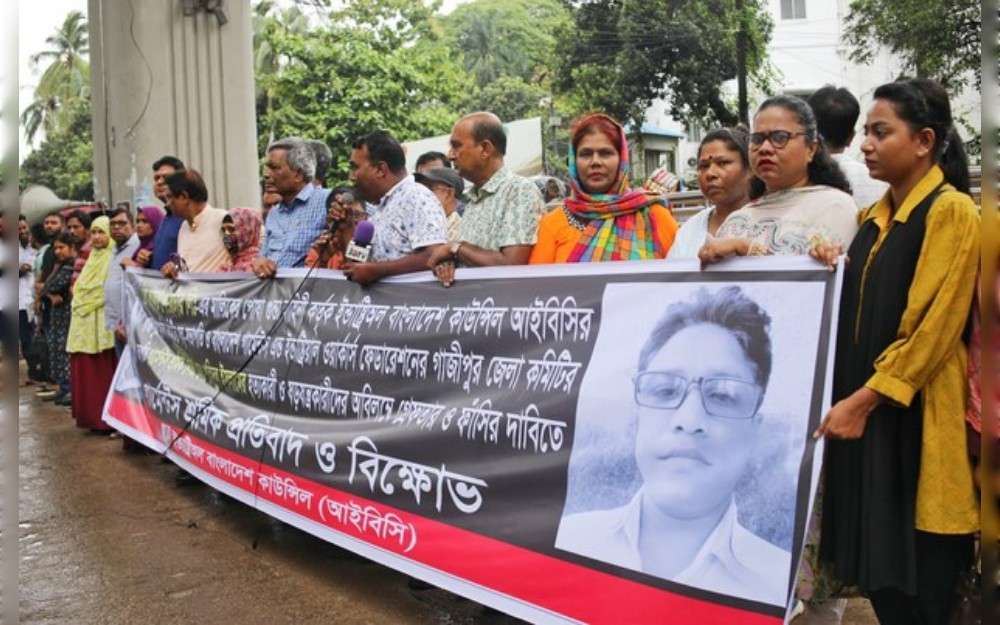
In June last year, Shahidul Islam, president of the Bangladesh Garments and Industrial Workers Federation’s Gazipur unit, was fatally beaten following his visit to the Prince Jacquard Sweater Ltd. company where he negotiated over wages on behalf of workers at the factory on the outskirts of Dhaka.
Amnesty estimated that at least four garment workers died during protests around the national minimum wage between October and November 2023.
“We call on the government to remove the limits on compensation for occupational injuries under labor law, ensure those affected receive adequate compensation, and introduce a national data repository on workplace deaths and injuries to ensure transparency and fill the current gaps in official data,” Nadia Rahman, Amnesty’s deputy regional director for South Asia, said in a statement.
The rights group said since the protests in 2023, at least 35 criminal cases have been filed against garment workers with the First Information Reports accusing around 161 named workers and an estimated total of between 35,900 to 44,450 unnamed workers for taking part in the protests.
In most cases, the reports were filed by factories who are believed to sell to major global fashion brands and retailers, Amnesty said.
Copyright ©2015-2024, BenarNews. Used with the permission of BenarNews.