



RFA Vietnamese
This story contains an image that some readers may find disturbing.
Tu Anh Tu’s journey from Vietnam to inside a Chinese-run scam center on top of Cambodia’s Bokor Mountain began in early October.
That’s when he accepted a temporary job in Bavet, a bustling Cambodian border town dotted with casinos that has sprouted up over the last decade around a walled-off special economic zone.
Tu already knew of Bavet’s notorious reputation for gambling, human trafficking, torture and forced labor. But he trusted a friend enough to accept a job offer that – he was told – would involve traveling to other Chinese-operated economic zones in Cambodia.
“Most jobs in the zone are illegal,” he told Radio Free Asia.“Many people working there have been trafficked many times. However, there are also some legitimate jobs, such as cooking or working as hairdressers.”
Young people being deceived into forced labor by criminal gangs, primarily involving illegal work in Chinese-controlled special zones in Cambodia, has become a pressing issue not only in Vietnam but across Southeast Asia.
The young people are typically held against their will and told to use Telegram, WhatsApp, Facebook and other platforms to try to scam people, mostly through efforts to convince people to invest in bogus enterprises.
A United Nations report last year estimated that some 100,000 people in Cambodia have been trafficked and imprisoned by crime rings who force them through torture and threats to carry out online scams.
Tu spoke to RFA with the hope that he could warn others about the sophisticated recruiting tactics of human traffickers, urging them to remain cautious of enticing job offers outside Vietnam.
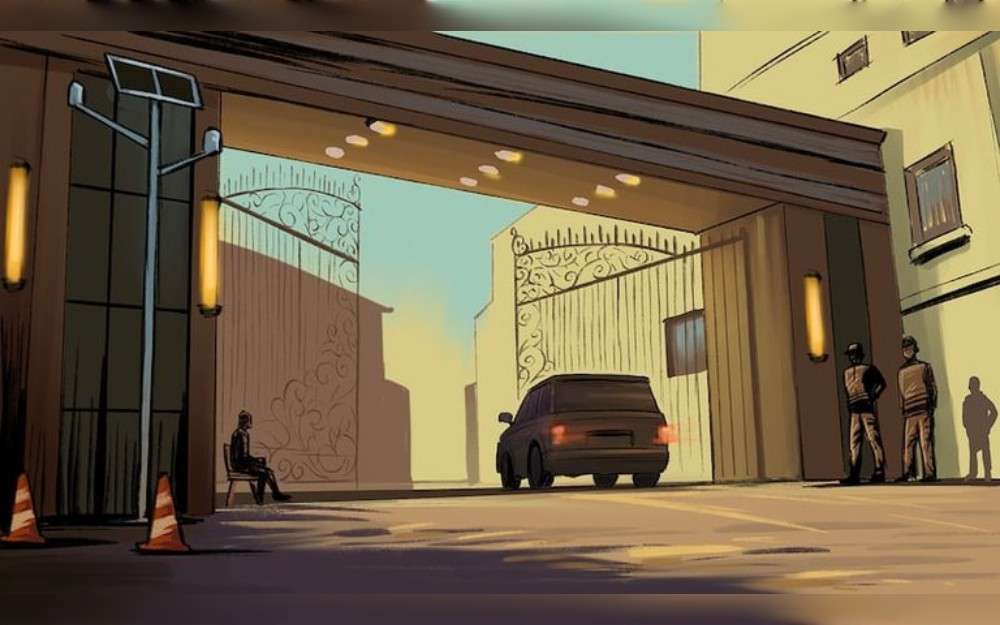
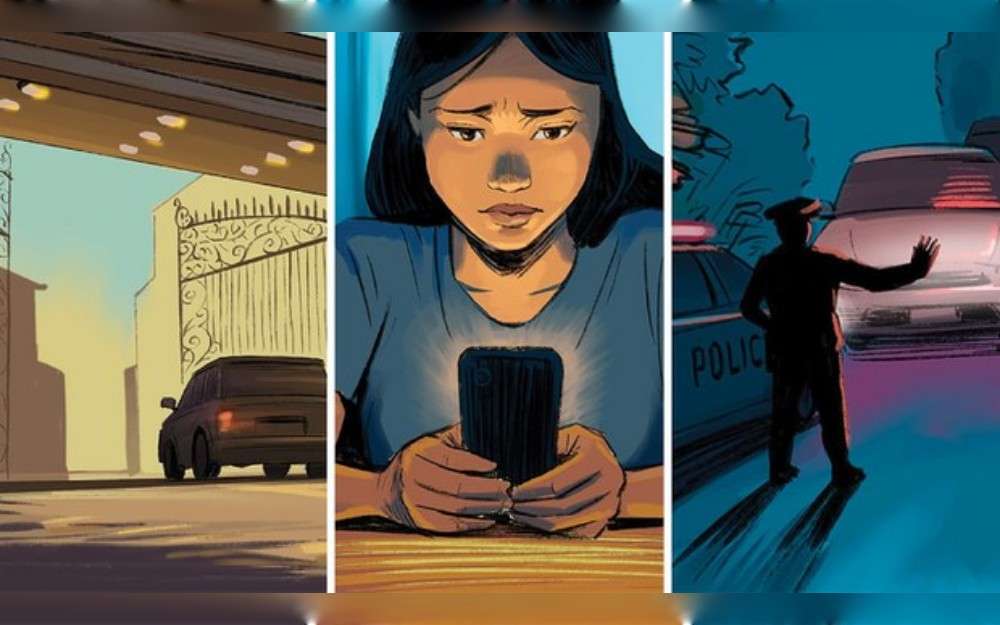
For Tu,the full realization that he had been tricked became apparent as soon as he arrived in Bavet. The entrance to the special zone was a cement structure over 10 meters (32 feet) high, featuring a large iron gate.
At least six security guards were always stationed there, rigorously inspecting every vehicle coming in and out, he said. Behind the gate was a large area with separate buildings. Some of the buildings were divided into separate sections.
Tu said he wasn’t allowed to move freely around the zone. He was grouped with seven young people from Vietnam. They were told they would soon be moved to another facility in Cambodia’s coastal Kampot province.
Arrival on Bokor Mountain
On Oct. 24, Tu and his small group – as well as close to 100 other workers – were loaded onto buses and driven from Bavet to Bokor, an old French colonial hill station that overlooks the Gulf of Thailand.
The eerie, sometimes fogged-over mountain features abandoned buildings from the 1920s, including a Catholic church and a hotel, and had attracted adventurous tourists for years.
Earlier this year, Cambodia’s government declared a special economic zone in the area – one of 22 in the country. Tax relief and other benefits were offered to encourage investment.
The buses followed a small asphalt road to a remote residential area surrounded by forests and mountains. The scenery was completely different from the special zone in Bavet, Tu said. The air was fresher, but the area felt more deserted and gloomy.
“At the time, I was worried because the facility was in the middle of a forest,” Tu said. “Seeing layers of security, I began to feel nervous and uneasy.”
Just like in Bavet, Bokor’s zone has an enclosed area that includes a row of new three-story houses.
Tu said he and the other seven workers in his group were assigned to a four-room home. The first floor served as a working area while the upper two floors were used for sleeping. Each person was assigned a bunk bed.
After a week of arranging accommodations and installing equipment, the group underwent a month of training. Their main task was to create fake social media accounts, build connections with targets – referred to as “prey” – who were lured into investing in cryptocurrency or the stock market.
No one in the group wanted to engage in such fraudulent activities, but they were too afraid to show open defiance, Tu said.
“We should pretend to work hard but still fail at the job,” he said he told the other workers. “This way, if we later have to pay a ransom to leave, it would be easier. If we perform well, they will do everything to keep us.”
Tu used his training period to message his friend and other recruiters to ask for help in securing their release. He also sought help from others, including friends and Cambodian authorities.
“In Kampot, I was still allowed to use my phone to contact people outside. I kept in touch with my family and the police, providing them with daily updates so they could figure out a way to rescue us,” he said.
A beating and a rescue
About a month after their arrival, Tu and other seven workers were suddenly summoned behind closed doors.
The Chinese operators of the scam center wanted to know: Who had contacted the Cambodian police? And why were officers grouped outside the building, ready to rescue the workers?
Because the building was located inside the special economic zone, Cambodian police had no legal authority and could only wait outside.
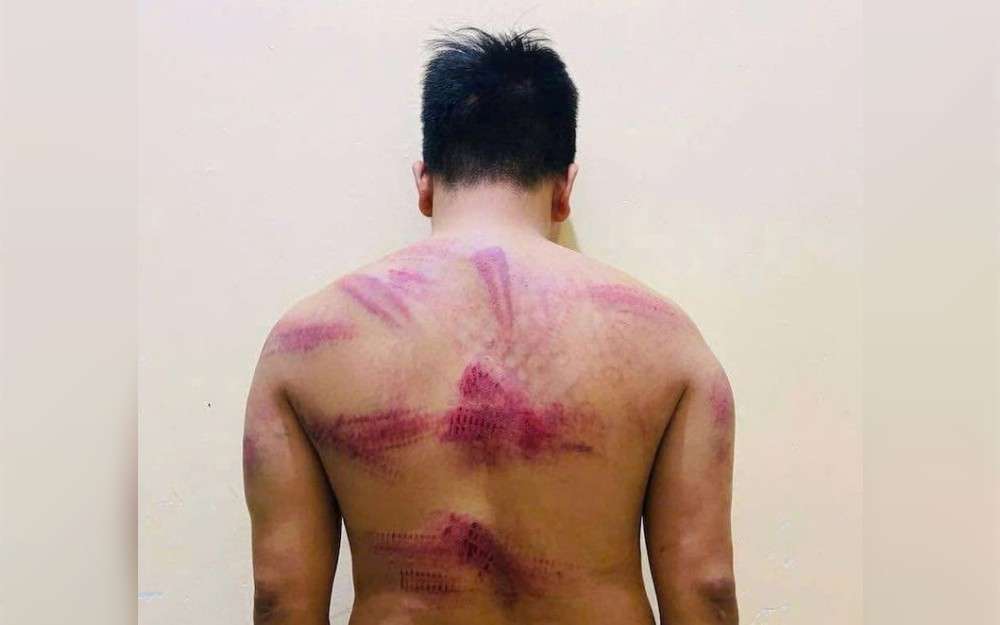
The interrogation eventually became violent, Tu said.
“They shocked us with electric batons,” he said. “And then they beat us with sticks. A dozen people attacked us – and I was beaten most brutally because they suspected I was the culprit.”
The attack knocked out three teeth and left Tu’s body covered in bruises and lash marks.
Initially, five of the eight workers were released to police. Later that night, Tu and the other two workers were forced into cars and driven down the mountain.
Tu said the thrashing made his recollection of the night hazy, but he recalls being told that he was about to be transferred to another company.
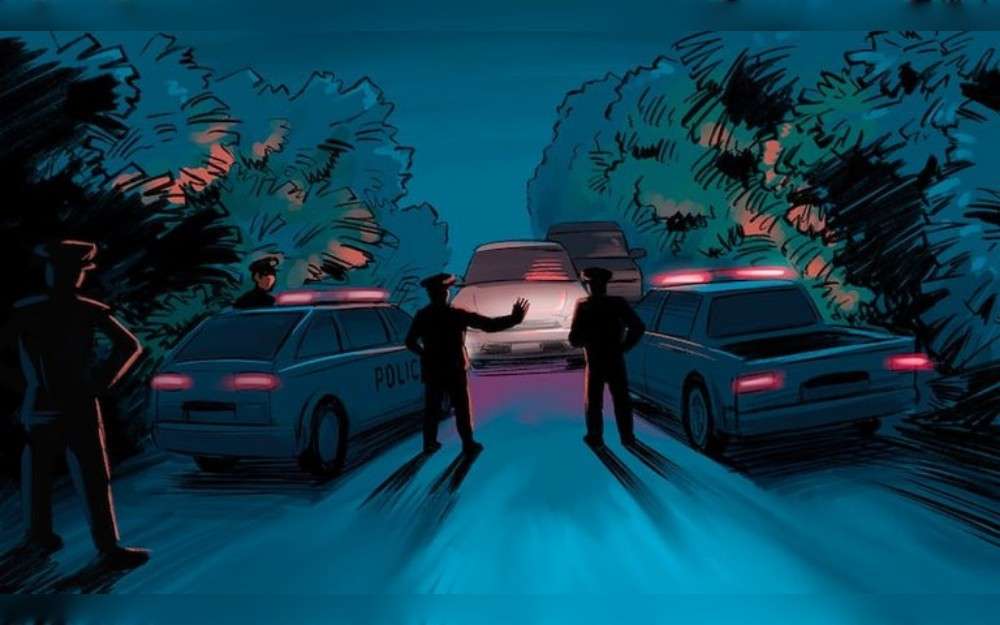
As they neared a main road at the bottom of the mountain, the cars were stopped by Cambodian police, Tu said.
He vaguely remembered that he and the other two workers were taken away in a police cruiser, followed closely by another police vehicle.
Still uncertain about what was happening, Tu said he wondered if he was being taken to another scam facility. It was only when they arrived at a police station that he allowed himself to believe that he would soon be free.
He was kept at the station for a few days while payment to a group of human traffickers was negotiated. The traffickers called relatives and friends of the eight workers to demand ransoms of between U.S. $4,000 and $5,000 each, Tu said.

“Our families were deeply worried because the traffickers repeatedly threatened to return us to the Chinese company if the ransoms weren’t paid,” he said.
Tu was allowed to contact his family, and he urged them not to pay the ransom.
“We obviously owed them nothing,” he said. “I firmly told my family not to fall for their trap.”
Eventually, no payments were made, according to Tu.
A friend of his drove from Ho Chi Minh City to retrieve Tu and the other seven workers. They arrived back in Vietnam on Nov. 29, he said.
“Copyright © 1998-2023, RFA.
Used with the permission of Radio Free Asia,
2025 M St. NW, Suite 300, Washington, D.C. 20036.
https://www.rfa.org.”