



EVS-TAP program makes it easier for Chinese to visit the U.S. territory, but presents security risks, critics say.
By Bryan Manabat for RFA
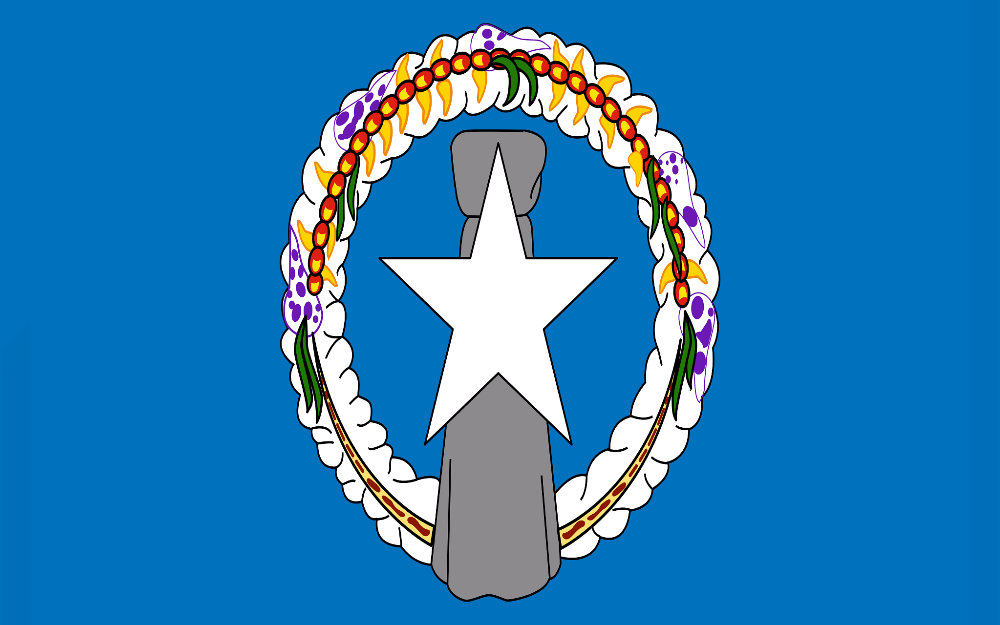
SAIPAN, Northern Mariana Islands —A growing push in Washington to restrict Chinese travel to the Northern Mariana Islands could kneecap economic recovery in the U.S. territory as it rebuilds from the havoc left last month by Super Typhoon Sinlaku, analysts and residents told Radio Free Asia.
Supporters of the Economic Vitality and Security Travel Authorization Program, or EVS-TAP, say that ending its 14-day Chinese visa-free travel allowance would put a serious dent in the economy of the islands, officially a commonwealth and abbreviated as CNMI, where according to a 2025 economic study, tourism accounts for more than two-thirds of GDP.
“China was one of our top source markets prior to the pandemic, generating significant revenue through airlines, hotels, restaurants, retailers and small businesses,” the Marianas Visitors Authority’s managing director Jamika Taijeron, told RFA.
“Our tourism stakeholders need consistency and predictability in federal travel policies so they can plan long‑term operations, maintain workforce stability and stay committed in their Marianas investments,” she said.
Though the program was introduced in 2024 with the intent on boosting tourism, a group of lawmakers in March expressed their concern, saying it encourages birth tourism.
The federal scrutiny began weeks before the typhoon rolled through, but the resulting destruction has magnified the stakes in the islands.
Tropical getaway or stay away?
As the CNMI works to restore power, repair damaged infrastructure and revive a tourism industry still far below pre‑pandemic levels, its tourism sector must still compete with other tropical getaway destinations in the Pacific.

Sinlaku knocked out power to more than 15,600 customers, toppled hundreds of poles and transformers, and forced Saipan International Airport into limited daytime‑only operations. Officials estimate overall damage could reach into the hundreds of millions of dollars, affecting homes, government facilities and tourism‑dependent infrastructure.
The territory is roughly 6,000 miles from the U.S. mainland but only hours from major Asian hubs, and China remains the only large‑scale tourism market capable of restoring pre‑pandemic visitor volumes, according to statistics from the Marianas Visitors Authority.
The CNMI welcomed 487,008 visitors in 2019, including 185,526 from China. By 2023, total arrivals had fallen to 215,543, and Chinese arrivals dropped precipitously to 10,764 in fiscal 2025, brought on by a sudden halt in EVS-TAP processing at the beginning of the current administration. Even though the program has restarted, the market remains a fraction of its former size.
Even though tourism is critically important to the CNMI’s economy, concerns about security have some in Washington characterizing EVS-TAP as “Communist China’s back door” into the United States.
On March 9, more than a month before Sinlaku’s landfall, 34 members of the House of Representatives urged the secretaries of Homeland Security, State and the Interior to shut down EVS-TAP and other federal entry programs that allow Chinese nationals to visit the CNMI without visas. Their letter echoed concerns raised in January by three U.S. senators and mirrored a bipartisan push last year citing birth‑tourism cases and human‑smuggling prosecutions.
The lawmakers cited estimates that more than 3,300 babies have been born in the CNMI to Chinese nationals since 2009, with annual births rising from fewer than 10 to nearly 600 at the peak. They warned that many of these U.S.-born children were raised in China and could reach voting age by 2030, a scenario they said could allow a “hostile nation” to influence American elections.
In public statements, Kimberlyn King‑Hinds, the CNMI’s delegate to Congress, rejected the claims, saying that Washington often misunderstands the islands’ circumstances. Critics have accused her of supporting policies that benefit Chinese interests, but she said her position is rooted in economic necessity.
“It’s not about China. It’s about retirement. It’s about paying employees,” she said. “This is about the economy. This is about tourism. This is about customers. We need customers for this economy to keep moving. That’s just the reality.”
Legal analyst and former CNMI resident Chanho Roh told RFA the debate in Washington reflects broader tensions in U.S. immigration enforcement, with unusually high stakes for the islands.
“Even when Congress closes one legal loophole, new methods or pathways often emerge,” he said, noting that birth tourism and visa‑waiver policy are politically linked but “not identical policy questions.”
Roh said visa‑waiver arrangements typically rely on reciprocity, and CNMI residents do not receive comparable visa‑free access to China, including Hainan Island. But he warned that eliminating the program without an “alternative economic strategy” risks worsening the Commonwealth’s decline.
“The aftermath is already visible — abandoned developments, unresolved legal disputes involving Chinese investors, and deteriorating properties that affect the islands’ appearance and economy,” he said.
Stalled recovery
In a letter that addressed the claims of the 34 lawmakers, the Saipan Chamber of Commerce said terminating the visa‑waiver programs would deepen the CNMI’s economic strain and jeopardize its fragile recovery. Lawful tourism supported by the programs, the group said, remains essential to sustaining small businesses and protecting jobs for U.S. citizens and residents.
The Chamber acknowledged that birth tourism was once a challenge but said it is no longer a prevailing issue. Targeted policy changes, enhanced screening and close coordination with U.S. Customs and Border Protection have “effectively mitigated” the problem.
The CNMI’s heavy reliance on tourism leaves it exposed to sudden shocks, such as the recent super typhoon, Betty Bai of Saipan Chinese News and a tourism events operator, told RFA.
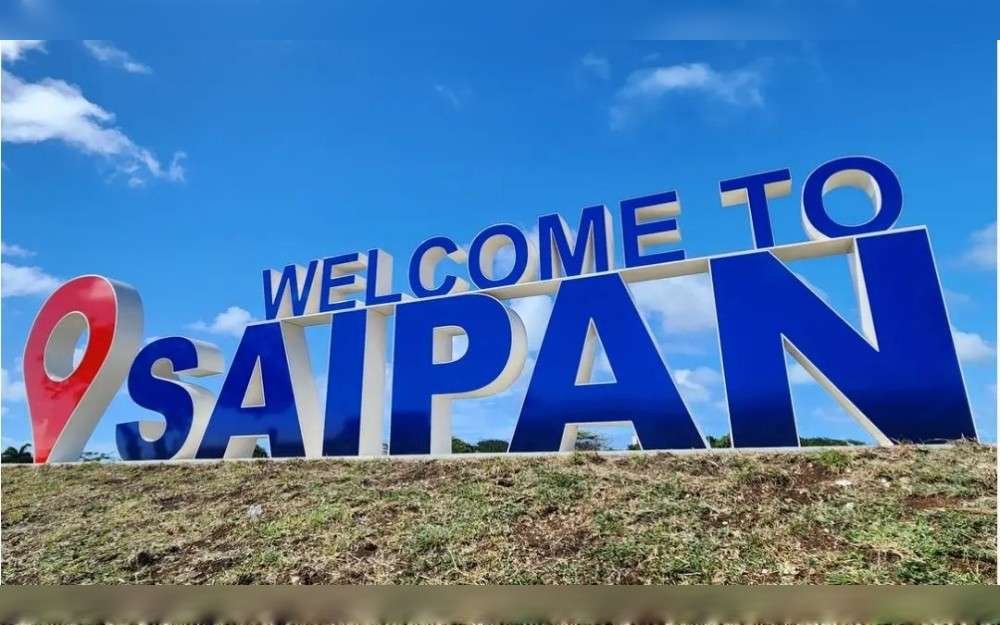
She noted that competitors such as Thailand, Maldives, Palau and Fiji offer visa‑free or visa‑on‑arrival access for Chinese travelers. “CNMI lost its edge,” she said.
Rather than debating extremes, she said, the focus should be on managing the visa policy properly and “making it work.”
But even if EVS-TAP is left alone, diversification is necessary in the tourism industry, Steve Jang, an entrepreneur and operator of Plumeria Steakhouse in the bustling tourist hub of Garapan, told RFA.
“Eliminating the waiver would almost certainly reduce arrival numbers, leading to lower occupancy rates, reduced business revenue and potential job losses,” he said. “Relying too heavily on any single market is a risk. Diversification would make our local economy more resilient.”
Edited by Eugene Whong.
“Copyright © 1998-2023, RFA.
Used with the permission of Radio Free Asia,
2025 M St. NW, Suite 300, Washington, D.C. 20036.
https://www.rfa.org.”