




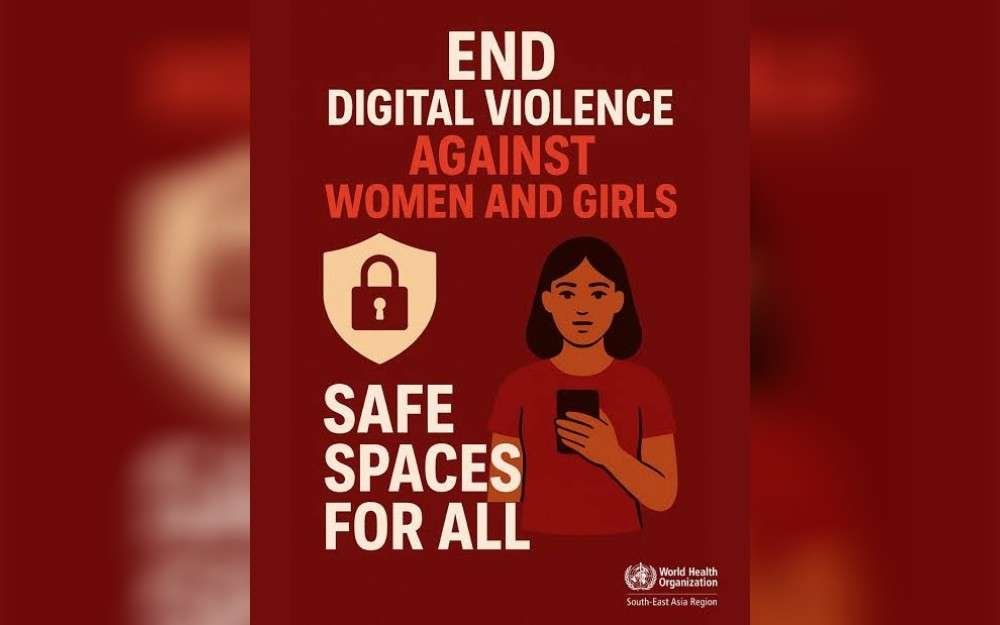
AI and social media have led to a rise in gender-based violence.Nearly half of all women and girls lack legal protection from online harassment, according to UN Women, which has warned that digital violence is increasing globally.Deepfakes, gendered misinformation, doxing, non-consensual image sharing, cyberstalking, and online abuse are all on the rise.According to experts, to guaranty that justice protects women both online and offline, laws must change with technology. Millions of women and girls are left vulnerable by insufficient legal protections, and those who commit crimes go unpunished.Verbal abuse, trolling, and specific threats intended to intimidate or silence women are examples of online harassment.Revenge porn, often known as image-based abuse, is the sharing of personal photos without permission, frequently for the purpose of controlling or humiliating.Doxxing is the public release of private information, including addresses or phone numbers.Sextortion is the act of using threats of public exposure to coarse victims into delivering private photos or favors. Constant surveillance or communication that instills dread and fear is known as Cyberstalking.Deepfake pornography is the term for the use of AI to create pornographic content using a person’s image, frequently for blackmail or exploitation.Cyberflashing is when someone sends social media users a photo of genitals (dic pics) without their permission through text, email, whatsapp, social media platforms and dating apps.Xenophobia, racism, antisemitism, anti-Muslim, anti-LGBTQI+, misogynistic, and other forms of intolerance are examples of hate speech that are becoming more prevalent globally.