



Amos Chapple
In their own words, eight working Armenians open up about how their country’s 2018 “velvet revolution” has affected their lives
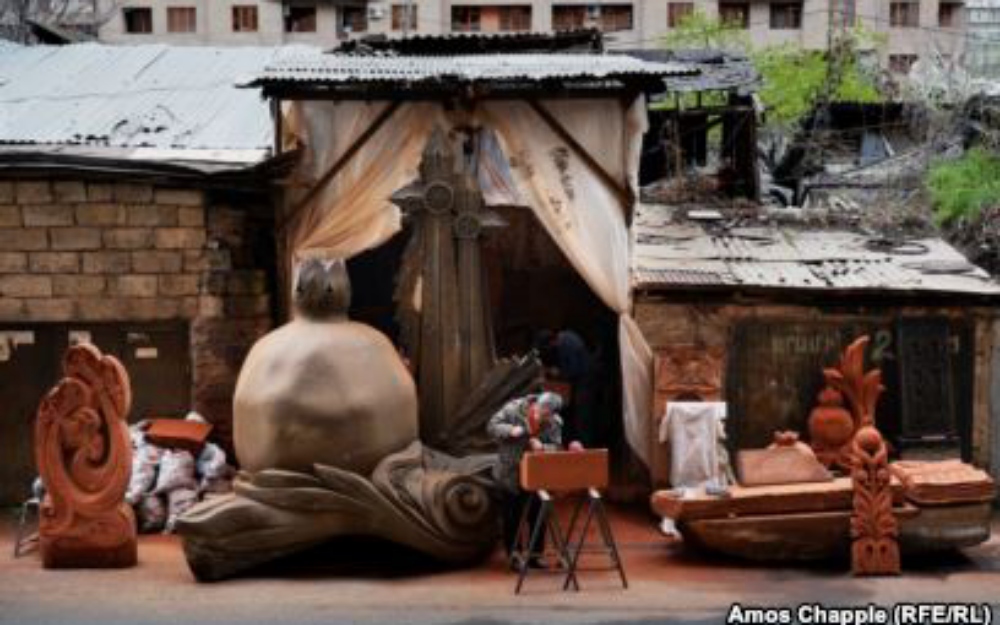
Varazdat Hambardzumian, master stone carver in the capital, Yerevan

The last government behaved very strangely. When they saw an old man digging through the trash, they would just pass him by. If you’d told someone 50 years ago that would be possible in Armenia, no one would have believed you.
The revolution was a test for us, and decency triumphed. Is there anything more important than that? Now people have opportunity again, it feels like any person can start a business without someone coming to stop them doing it. The Republicans (the political party of former Prime Minister Serzh Sarkisian who resigned in the face of massive street protests in 2018) is trying to muddle everything up, this means that the revolution is already succeeding, that we’re headed in a good direction.
Now we Armenians need a sense of understanding and love for one another, I feel it’s getting there, but I’m not fully satisfied yet.
Narine Martirosian, traditional confectioner in the village of Ushi
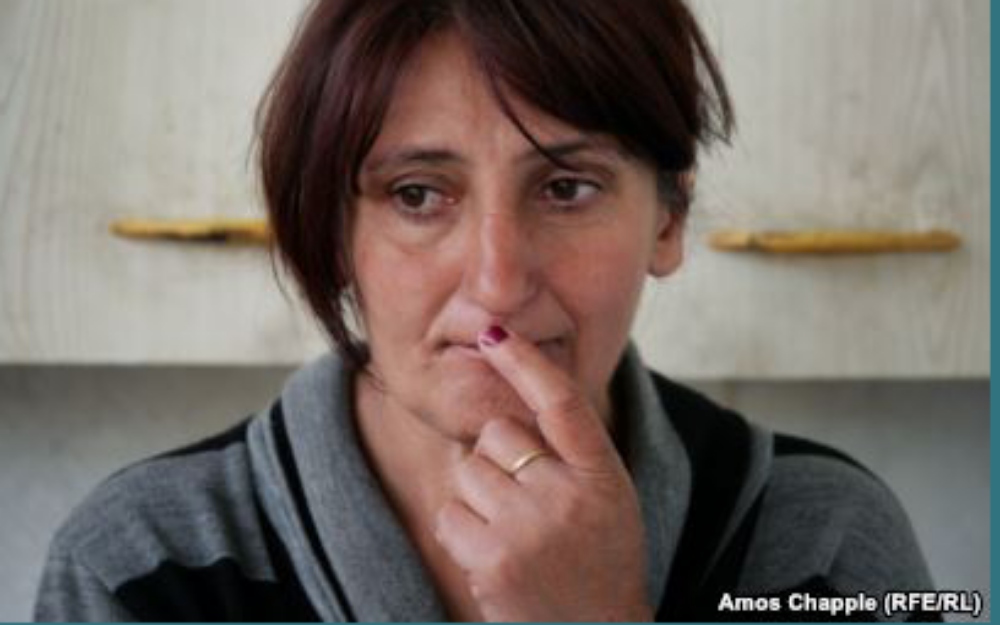
There’s no future in what we do. Selling sweets next to a highway? Until when? If there was a factory here, I could have a decent, stable job.
When the revolution was happening, we didn’t know much about what was going on. We had a sense that things were about to improve. But so far we don’t see any changes. Our roof has a problem and we heard there’s an initiative to fix all the damaged roofs in the villages. It’s a new law, apparently. We don’t know if it’s true or not, but we really hope the government will carry this out.
Some days we sell our sweets or fruit and my kids get to eat; other days nothing and they go hungry. At times they don’t even have shoes to go to school in. Why should we work on the side of the highway? We need factories here. If there was a factory, we’d have a stable income, like in the old days.
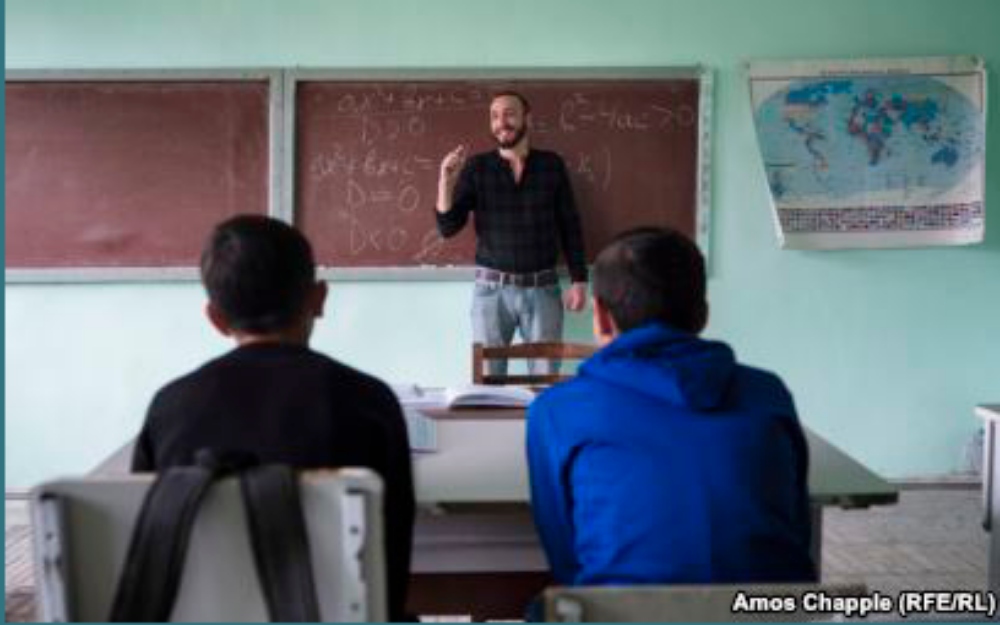
Hayk Simonian, math teacher in the village of Bagaran

I don’t think anything has changed in the education system yet. I can see our new government doesn’t know where to start to make the situation better. I can’t say it’s bad, it’s just very confused.
They ask for a lot, but they don’t give us the tools we need. Until recently we only had one computer at school, but every day the teachers had to enter their assessments online. Nineteen teachers, one computer, a lot of work and very, very slow Internet. What the hell?
I can tell the government about these problems, but they can’t do anything because they don’t have the resources. That’s why they should be focused on the quality of teaching, not paperwork or online record keeping.
A lot of the kids don’t have a target in life. They’re lost. That stems from education: If you have decent schooling, if you understand the world around you, you want to be part of that world. I want to give the kids a sense of purpose.
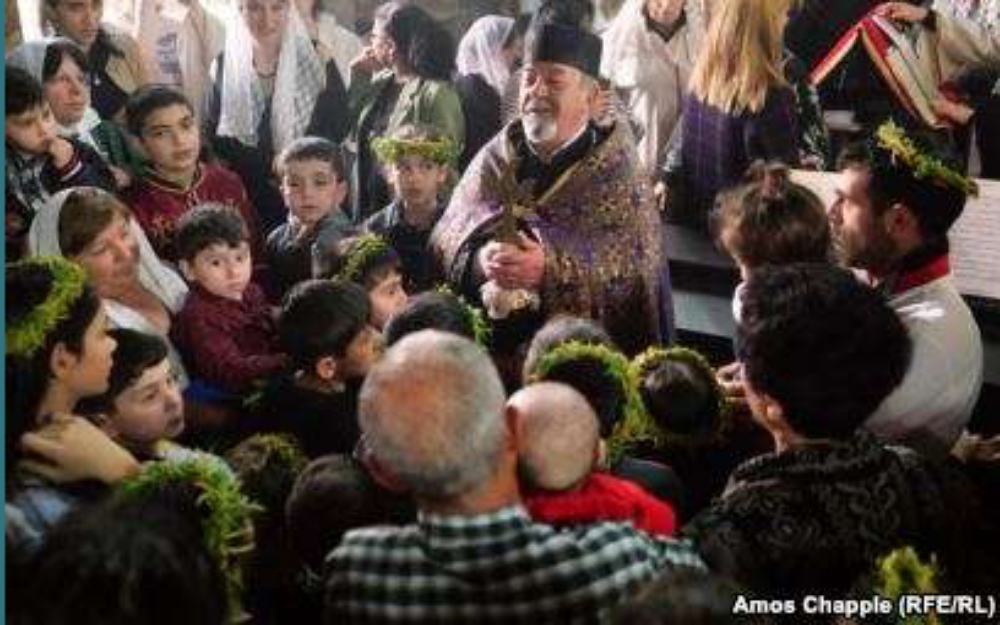
Artak Simonian, priest in Echmiadzin

A revolution is like a stormy tide. It brings jewels and lost rings, valuable watches, etc. But along with this treasure, a lot of trash is brought in too. The people are still excited because of the waves of this tide — everyone is ready to change their lives. But now we have to wait for the tide to retreat before we can see what’s left. Is it trash, or is it treasure? Right now, it’s too early to say.
Here in Echmiadzin, though, we feel the changes. Each region might have had its own Manvel, so the city feels the benefits of the revolution very deeply. Now people feel happiness within themselves.
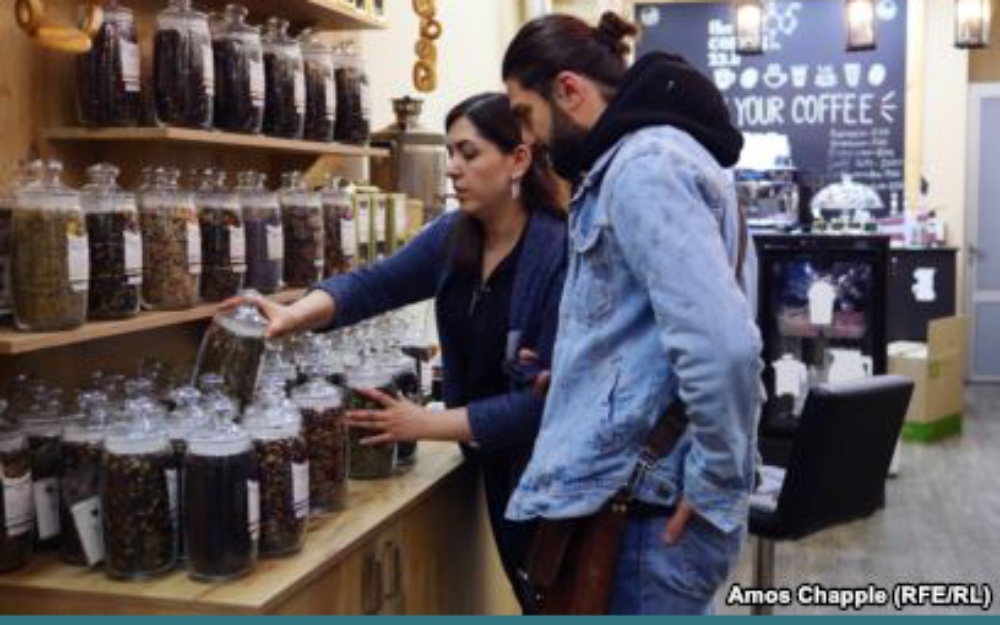
Astghik Khachatrian, barista in Yerevan
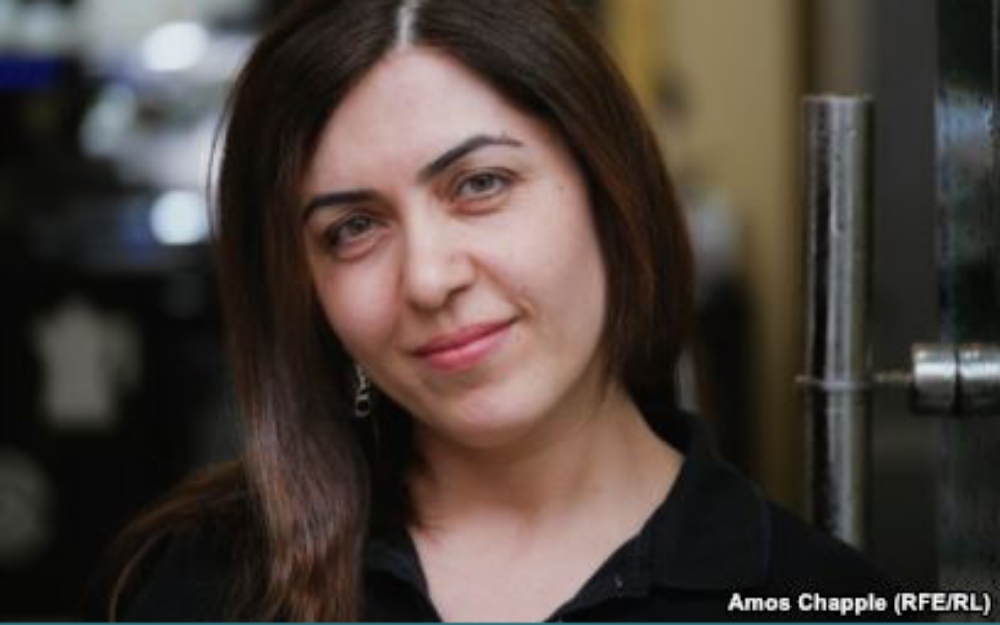
We were very excited when the revolution was happening. Now, for me personally, I would say I’m very disappointed. Nothing has changed.
I expected the nepotism to end. The new government needs to enact something to allow young people to fulfill their potential regardless of the connections they might or might not have.
I want to see a prosperous Armenia. I want to see people satisfied in their jobs, not this constant slog with tiny rewards. In Armenia this is very common. I know people in the ministry who take their papers home and work into the night,but they get paid so little.
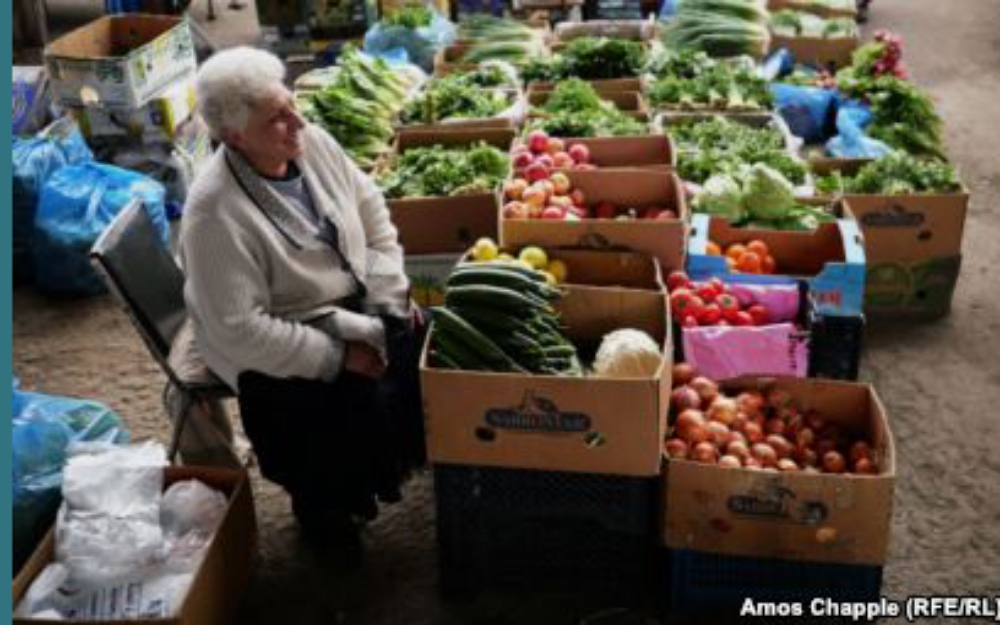
Ruzan Avoyan, fruit seller in Gyumri
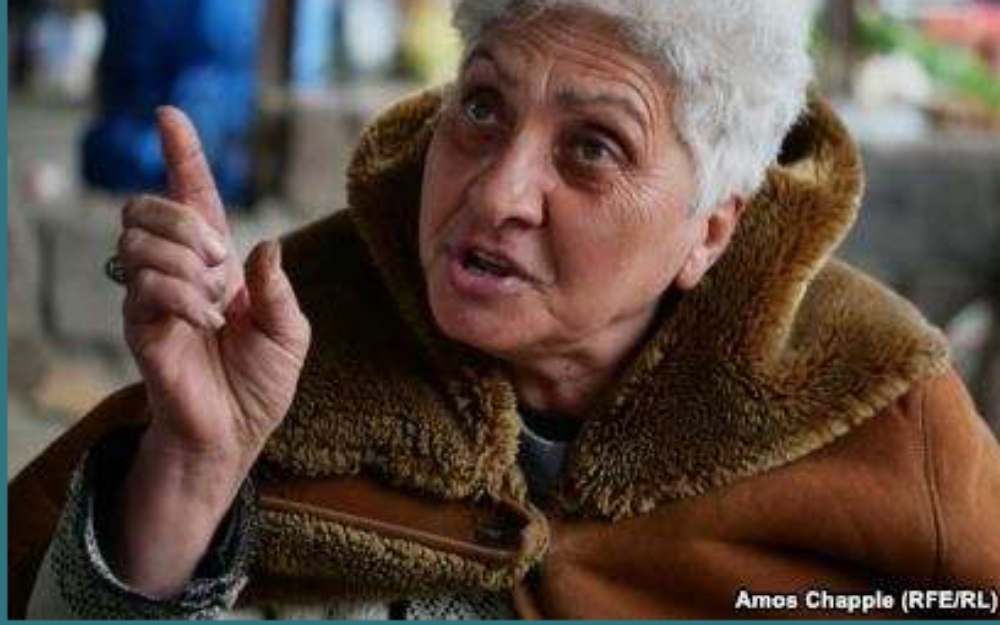
Gyumri is a poor town. It’s very hard to sell things here. It’s the same as always; if you don’t work, no one will help you. The revolution was not a failure, but let me put it this way: A revolution is like getting an empty new house; you still have to fix it up and furnish it. Only an idiot would think a revolution alone will solve everything.
I was caught outside in the earthquake with my kids. (Editor’s note: That 1988 disaster leveled most of Gyumri and killed some 25,000 people.) All we were left with was the clothes we were in. So I took the initiative and built my own house. Some locals are still waiting for new houses to be given to them while living in temporary shelters. Men saying, “Give me candy”!
Why should the government do that? God gave you a brain and a tongue. Use them! The government doesn’t have any money, so stop expecting it.

Radek, shepherd in the village of Lernavan

People feel more free. Free to express their wishes and concerns. Before, people were afraid that maybe you’d say the wrong thing. In the previous government, there could be some Republican oligarch who might be unhappy with us speaking up about their party.
We make money from our animals up here in the mountains, so we haven’t really been affected economically. In the Soviet period, there were factories here and we had work. Nothing else matters. People will be able to live a decent life if they have stable jobs. I have three women at home. I support all of them; they just do housework and work in the fields because there’s no employment for them. We’re not closed-minded, we want our women to earn and develop their careers too.

Varujan Harutyunyan, farmer in a village near Yeghegnadzor

Before the revolution there were almost no opportunities for the small players in the export business; it was a monopoly. Legally, nothing has changed. But the antimonopoly laws are actually working now.
I love farming because you see the results of your labor — if you work hard, you make decent money. I can bring in $1,000 a month if I push myself.
I think of the country as a family: If everyone in the household is working, then that family will succeed. But if there’s no will to work, then the family will fail. We have a portion of society here that wants to live well but isn’t prepared to work for it. That’s why the prime minister (Nikol Pashinian) is struggling at times to do his best — because people are unwilling to help.
People say there’s no work in Armenia. I disagree — people are just picky. Don’t sit around waiting for something, just get to work. Do what you’re good at and the income will come. If everyone could grab all the opportunities they had, we could grab all the opportunities they had, we could have our dream country.
(Translations and production assistance by Aram Vardanyan. Edited for length and clarity)
Copyright (c) 2019. RFE/RL, Inc. Reprinted with the permission of Radio Free Europe/Radio Liberty, 1201 Connecticut Ave NW, Ste 400, Washington DC 20036
Featured Image: Armenian Velvet Revolution by Albero is Licensed Under CC BY-SA 4.0