



Some 20 million children worldwide – more than 1 in 10 – missed out on lifesaving vaccines such as measles, diphtheria and tetanus in 2018, according to new data from WHO and UNICEF.
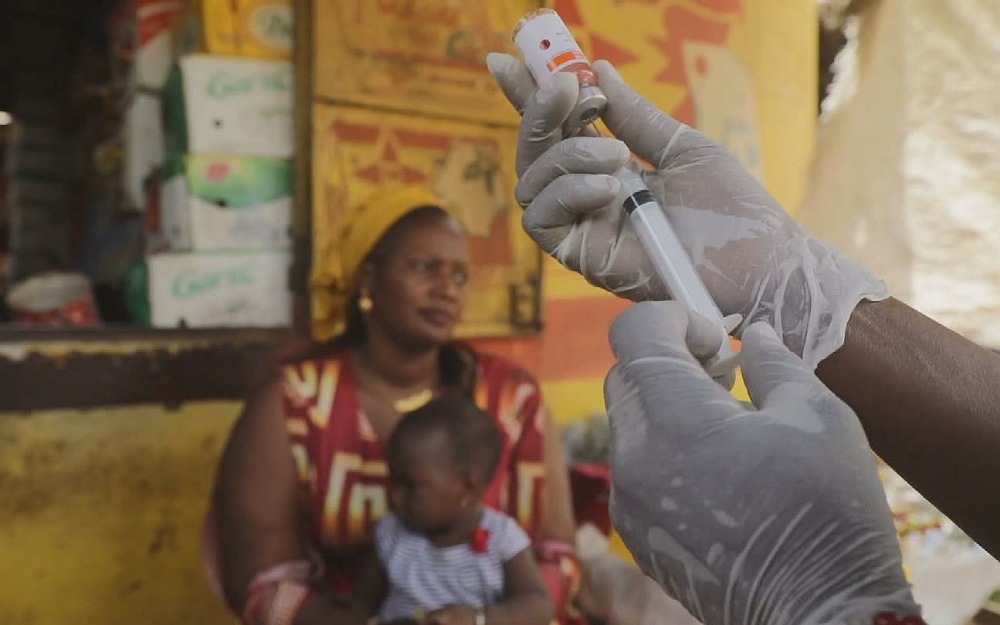
Globally, since 2010, vaccination coverage with three doses of diphtheria, tetanus and pertussis (DTP3) and one dose of the measles vaccine has stalled at around 86 percent. UNICEF said while this percentage is high, it is not sufficient. It said 95 percent coverage globally, across countries, and communities is needed to protect against outbreaks of vaccine-preventable diseases.
Most unvaccinated children live in the poorest countries and are disproportionately in fragile or conflict-affected states. Almost half are in just 16 countries – Afghanistan, the Central African Republic, Chad, Democratic Republic of the Congo (DRC), Ethiopia, Haiti, Iraq, Mali, Niger, Nigeria, Pakistan, Somalia, South Sudan, Sudan, Syria and Yemen.
If these children do get sick, they are at risk of the severest health consequences, and least likely to access lifesaving treatment and care.
UNICEF said stark disparities in vaccine access persist across and within countries of all income levels. This has resulted in devastating measles outbreaks in many parts of the world – including countries that have high overall vaccination rates.
In 2018, almost 350,000 measles cases were reported globally, more than doubling from 2017.
Ukraine leads a varied list of countries with the highest reported incidence rate of measles in 2018. While the country has now managed to vaccinate over 90 percent of its infants, coverage had been low for several years, leaving a large number of older children and adults at risk.
Several other countries with high incidence and high coverage have significant groups of people who have missed the measles vaccine in the past. This shows how low coverage over time or discrete communities of unvaccinated people can spark deadly outbreaks.
UNICEF noted that for the first time, there is also data on the coverage of human papillomavirus (HPV) vaccine, which protects girls against cervical cancer later in life. As of 2018, 90 countries – home to 1 in 3 girls worldwide – had introduced the HPV vaccine into their national programmes. Just 13 of these are lower-income countries. This leaves those most at risk of the devastating impacts of cervical cancer still least likely to have access to the vaccine.
Together with partners like Gavi, the Vaccine Alliance, WHO and UNICEF are supporting countries to strengthen their immunization systems and outbreak response, including by vaccinating all children with routine immunization, conducting emergency campaigns, and training and equipping health workers as an essential part of quality primary healthcare.
Since 2000, WHO and UNICEF jointly produce national immunization coverage estimates for Member States on an annual basis. In addition to producing the immunization coverage estimates for 2018, the WHO and UNICEF estimation process revises the entire historical series of immunization data with the latest available information. The 2018 revision covers 39 years of coverage estimates, from 1980 to 2018. DTP3 coverage is used as an indicator to assess the proportion of children vaccinated and is calculated for children under one year of age. The estimated number of vaccinated children are calculated using population data provided by the 2019 World Population Prospects (WPP) from the UN~UNICEF