



Philippine government says the effect on the mountain-dwelling indigenous Aeta people will be minimal.
By Jason Gutierrez for RFA
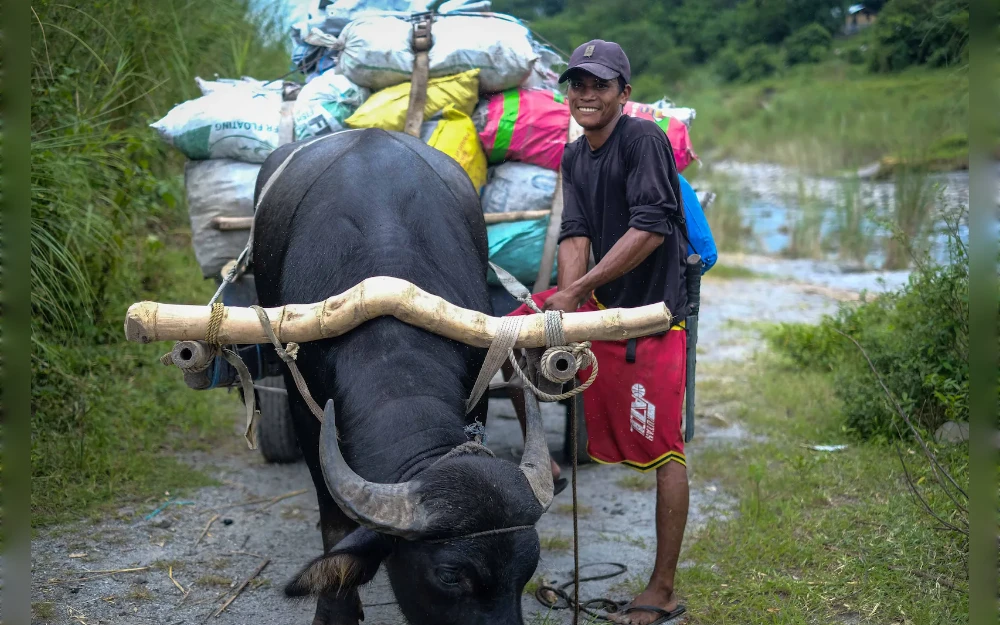
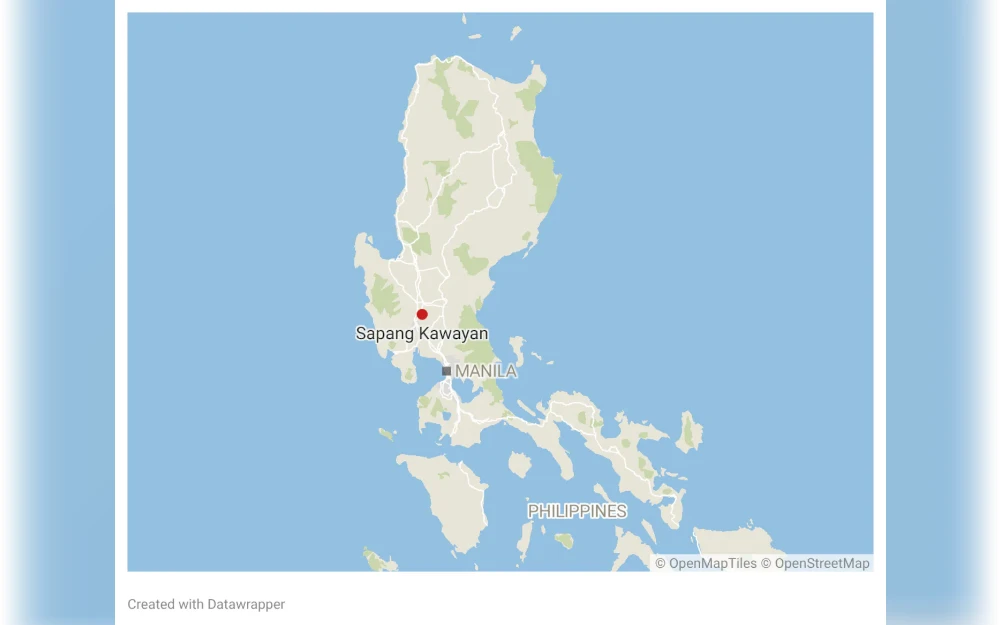
CAPAS, Philippines – Children’s laughter and the gentle sound of a flowing river are the daily accompaniment to life in a hamlet of about 200 indigenous Aeta families, but members of the community told Radio Free Asia they are in danger of losing their idyllic way of life because a planned U.S.-led tech hub will force them to relocate.
The majority of the residents of Sapang Kawayan, about 47 miles (75 kilometers) north of Manila, are not formally schooled, but they are educated by the ways of nature. Farming cycles are dictated by the monsoon season, and at all times, they are at the whims of a nearby volcano, Mount Pinatubo.
The Philippine government has approved the construction of the Pax Silica hub on a 4,000-acre (1,619 hectare) area inside New Clark City, on land that was part of the U.S. military reservation that included Clark Air Base until the area was returned to the Philippines government in 1991.
Families in the village have already received a letter from the Bases Conversion and Development Authority (BCDA) informing them they must relocate from the village because it is included in the development plan, Casamira Capiz Maniego, a 72-year-old Aeta resident of Sapang Kawayan, told RFA.
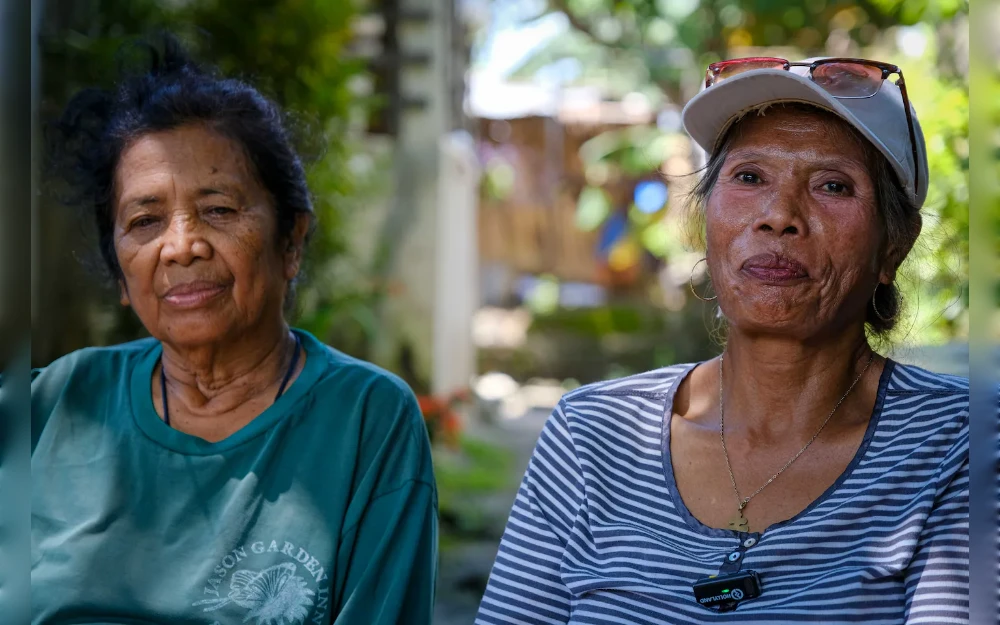
“They should just have us killed because we will fight for our land,” Maniego said. “We have lived for generations in the mountains long before the Americans came. What will happen to us if they take our land?”
Economic and strategic boon
Defense analysts view the 14-country Pax Silica initiative as a symbolic return of the Americans to their former base in the Philippines, Washington’s staunchest ally in the region. But more than that, it is viewed as a plan to keep semiconductor and AI facilities under one U.S.-controlled roof as Beijing rolls out its own, similar initiative.
The larger geopolitical context, however, is not lost on observers, with Manila needing the support of Washington as it faces territorial threats from China, America’s chief rival in the region.
Philippines President Ferdinand Marcos Jr. has touted the project as one that would “revitalize” the country’s economy and create “quality jobs” for the people. Marcos and top officials have downplayed concerns over potential impacts to the water table and the environment, and fears that the hub would hand too much control to Washington.
“I cannot see how another country can come into the Philippines and, for example, exploit our minerals without the agreement of our Philippine government,” Marcos said in August at a forum organized by the Foreign Correspondents Association of the Philippines.
The Pax Silica hub will enable the Philippines to process minerals locally instead of exporting ore, Marcos said, adding that once realized, it would be “the Philippines fully exploiting our own treasure, our own national treasure, our own natural resources.”
Many people concerned over the environmental and social impact of the project have organized protests, including one earlier this month, where five paralegals were arrested and nearly 30 others were detained while rallying outside a hotel that had been hosting a business forum about Pax Silica.
Regarding the displacement of the Aetas, the affected area sits roughly within 10 hectares (24 acres) of the 1,600-hectare site, BCDA President and CEO Joshua M. Bingcang told media, including Philippine outlet ABS-CBN, on Monday. He said any relocations would affect an estimated 200 people in 40 households, and they would stay within the same jurisdiction.
“They will not be displaced,” Bingcang said. “They will just be pushed a little bit but they will still be in the same barangay, the same community, the same BCDA land.”
Historical rights?
The Aetas have lived in the rough hinterlands as far back as they can remember, but it was in the 1850s during the Spanish colonial era that authorities formally recognized their presence in decrees, which the Aetas now view as historical proof of their occupation of the land.
Tribal elders believe that even without any piece of paper, the government should recognize their “ancestral domain.”
Spain later ceded the islands to the U.S. and during the time that the Philippines was a U.S. territory, Washington considered the Aetas to be nomadic peoples, displacing many to build Clark Air Base.
The Aetas are gentle hunter-gatherers and crop farmers who generally avoid conflict, Maniego said. They have learned over many years how to co-exist with the “lowlanders,” – what they call Filipinos who live in nearby cities and towns – with some Aeta even working outside of their tiny mountain communities alongside the lowlanders.
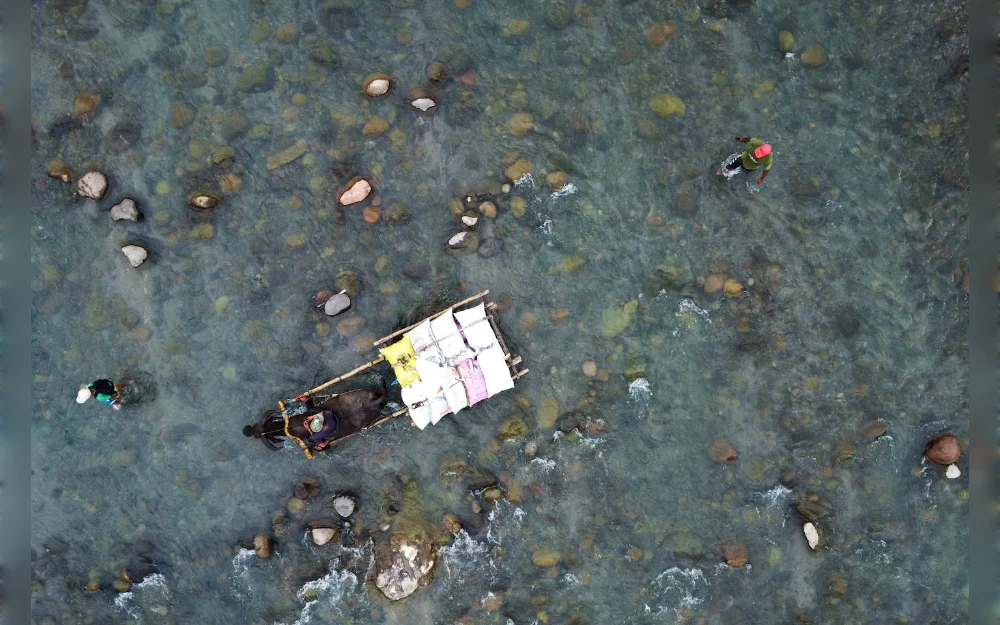
Visiting the tribal area is like being transported to an entirely different world, where the trappings of modern-day life are absent. Barefoot children walked on the dirt, while a herd of swamp water buffaloes grazed in the distance. The occasional hum of a motorcycle buzzed nearby as an Aeta caravan carrying wood charcoal slowly negotiated the muddy trail.
Private security guards hired by the BCDA blocked the dirt roads to Maniego’s village, however. RFA managed to reach one remote area by passing through small dirt roads accompanied by three social workers.
Tribal leader Petronila Capiz, 63, argued that their ancestral land was crucial to their story as a people, their heritage and the continued survival of the Aetas. The land, she said, has been passed down from one generation to the next.
People, water, and land
Allowing the government to erect a facility here would be a death knell to their way of life, Capiz said, adding that government surveyors have already been spotted measuring the land and studying the Bangot River, the community’s primary source of water and sustenance.
“It will destroy the environment and our source of water, the Bangot River, where we also fish,” she said. “Water and land, without these we will die. Nature has given us these, and they will just destroy it for the sake of Pax Silica.”
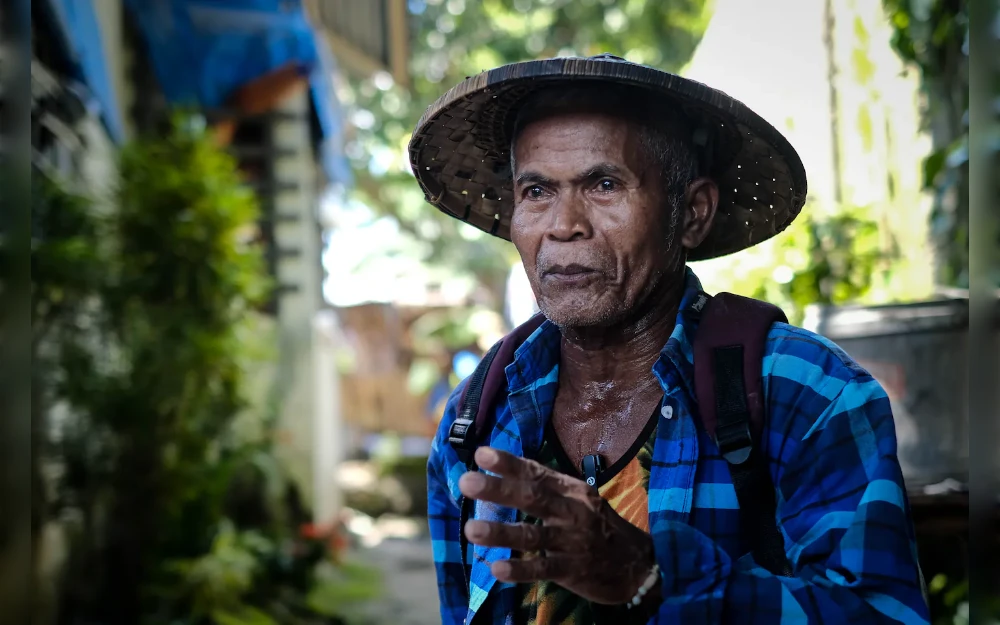
Capiz’ cousin, Nelson de Guzman, 57, was emotional. His weather-beaten face was covered in sweat as he called on fellow Filipinos for support against the multimillion project.
Pax Silica, he said, is like “a gigantic leech that will suck the life out of the soil and mountain.” De Guzman is volunteering to organize tribal communities in other areas to express solidarity with their cause.
“We will resist and fight for our rights,” he stressed. “We are not just fighting for ourselves individually, but for the entire tribe.”
Edited by Eugene Whong. Jojo Riñoza contributed to this report from Capas.
“Copyright © 1998-2023, RFA.
Used with the permission of Radio Free Asia,
2025 M St. NW, Suite 300, Washington, D.C. 20036.
https://www.rfa.org.”