



Authorities shut down shops selling budae-jjigae and tteokbokki, leaving residents scratching their heads.
By Moon Sung Whui for RFA Korean
North Korea has banned two popular dishes from being sold in restaurants because they are South Korean in origin, residents in the country told Radio Free Asia.
It’s the latest example of Pyongyang cracking down on the “invasion” of South Korean culture — viewed as decadent and capitalist — into the reclusive communist country.
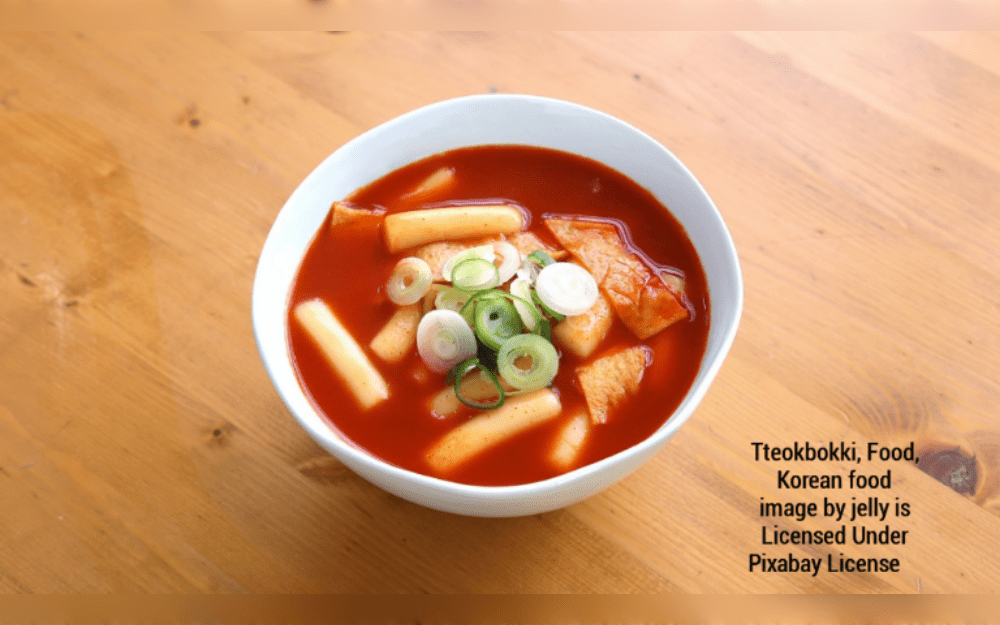
Both dishes — budae-jjigae, a spicy stew that sometimes includes instant ramen noodles, hot dogs and whatever happens to be on hand, and tteokbokki, steamed rice cakes covered in a spicy sauce — have been very popular in South Korea for decades.
They did not surface in North Korea until 2017, brought over by a restaurateurs attached to a department store operated jointly with Chinese companies, the residents said.
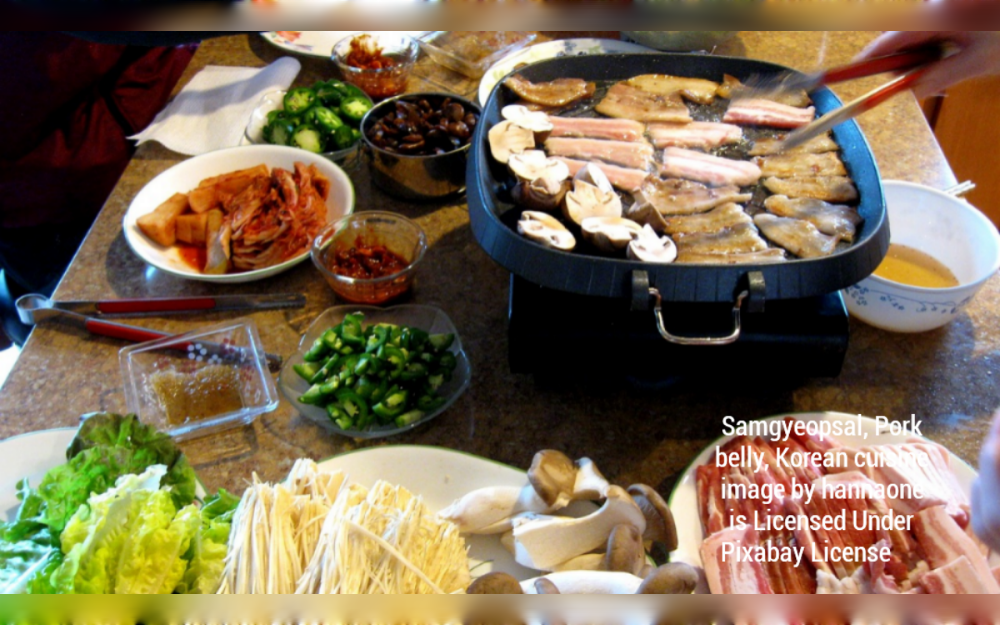
Another food popular in the South that recently spread to the North, samgyeopsal, or barbecued pork belly slices, is not yet subject to the ban, they said.
In recent years, South Korean culture — movies and TV shows ,clothing and hairstyles, slang, humor and even dance moves — have been seeping into the North. South Korean TV shows and other media are smuggled into the country on thumb drives and watched widely — though in secret.
In 2020, North Korea passed a law called the Rejection of Reactionary Thought and Culture Act to keep these things from spreading.
Now it appears to have its sights on these foods.
“Sales of tteokbokki and budae-jjigae at the marketplace have completely stopped since the 15th,” a merchant from the northern province of Ryanggang told RFA Korean on condition of anonymity for personal safety.
“The city police and the market management office have declared that if anyone is caught secretly selling those foods, their store will be shut down.”
She said that restaurant managers who sold the dishes were under investigation, and that police took measures to prevent their sale in a food court at a local department store.
“This is not simply a measure taken only in Ryanggang Province, but also to all restaurant networks and market food stands across the country, including Pyongyang,” the merchant said. “People are well aware that the sale of tteokbokki and budae-jjigae is prohibited because they are South Korean foods.”
Created by division
All three of the dishes appeared in South Korea after the division of the country at the end of World War II and the 1950-53 Korean War that effectively made the division permanent.
Budae-jjigae literally means “army base stew,” and was borne out of a time of scarcity in the South.
It was made from packaged food items that were past their expiration date, but still edible, such as hot dogs and SPAM, that were discarded by U.S. Army bases and reclaimed by hungry South Koreans out of necessity.
These days in the South, the ingredients are procured by more conventional means, at the grocery store or from a wholesaler.
Tteokbokki, meanwhile, is a street food that can be found in roadside carts in Seoul or any other South Korean city. It combines steamed rice cake with a sweet-spicy gooey sauce, and is often sold with boiled eggs, odeng fish sausage, and often paired with soju, the distilled alcoholic drink.
Literally translated as “three-layer meat,” samgyeopsal is pork belly. It’s the same cut used for bacon and is named for the three layers of fat that separate the meatier parts of the cut. Meat is extremely rare in the diet of typical North Koreans, but is readily available in the South.
Samgyeopsal is typically cooked on a heated griddle or over an open flame, then sliced and enjoyed with a variety of condiments. It’s often wrapped in lettuce with rice, raw or roasted garlic, chili pepper and other ingredients.
All of these dishes appeared recently in restaurants run by Chinese-citizen residents, the merchant said.
“They began to be sold in restaurants in the Yangsun Department Store, which has operated as a joint venture with China, since around 2017,” she said. “Until now, there were no restrictions on selling these foods.
No explanation given
According to the merchant, the authorities have not explained why they are banning tteokbokki and budae-jjigae. Samgyeopsal remains available because it is not quite as popular as the other two.
“Samgyeopsal is a popular food in high-end restaurants in Pyongyang and other regions, so it will likely be subject to crackdowns in the future,” she said.
The state is also taking a hit by banning these South Korean style foods because they have become popular at government-run restaurants, an intellectual from the same province who requested anonymity for security reasons told RFA.
“People are well aware of the fact that tteokbokki and budae-jjigae are foods that originated in South Korea through illegally distributed South Korean movies,” he said.
“There are different opinions from each region as to where tteokbokki and budae-jjigae were first sold in North Korea,” he said. “Ryanggang Province residents believe that it started at our Yangsun Department Store … but people in other provinces boast that it started somewhere in their region.”
The two banned dishes, while relatively inexpensive and not considered particularly classy in the South, are luxuries in the North.
At the marketplace, tteokbokki costs 3,000 won (12 US cents) and budae-jjigae costs 6,000 won (25 cents), according to the source. In department stores tteokbokki costs 15,000 won (62 cents) and budae-jjigae costs 24,000 won ($1).
For context, rice, considered a luxury in North Korea, costs 9,500 won (43 cents) per kilogram (2.2 pounds).
The intellectual said there was considerable opposition from business owners and residents to the crackdown, and many protested that the ban makes no sense when American and Western food items like hamburgers and sandwiches are not targeted by bans.
“The position of food vendors and residents is that tteokbokki and budae-jjgae are not just South Korean food, but are also food enjoyed by ethnic Koreans in Yanbian,” he said, referring to the Korean Autonomous prefecture in China, home to an estimated 620,000 residents of Korean descent.
“Residents say that there is no ideology in the food, but the authorities are only punishing powerless vendors for no reason.”
Translated by Leejin J. Chung. Edited by Eugene Whong and Malcolm Foster.
“Copyright © 1998-2023, RFA.
Used with the permission of Radio Free Asia,
2025 M St. NW, Suite 300, Washington, D.C. 20036.
https://www.rfa.org.”