



Farangis Najibullah & Mumin Ahmadi
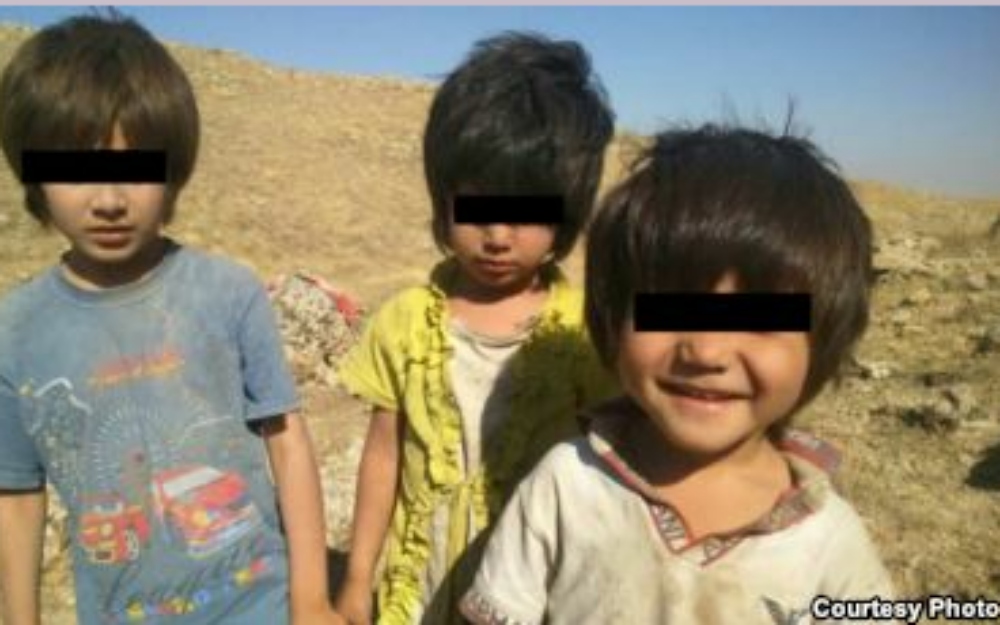
Islamic State’s attempt to establish a caliphate crumbles, many countries are turning their backs on children born into the extremist group. Tajikistan is not one of those countries.
“We’re planning to bring them home,” the country’s ambassador to Iraq and Kuwait, Zubaidullo Zubaidzoda, told RFE/RL.
Hundreds of Tajik citizens went to Iraq and Syria to join Islamic State (IS), according to authorities, and Dushanbe has been known to take a relatively forgiving approach to the issue. In 2015, the Tajik government offered an amnesty to those who voluntarily returned and renounced violence, seeing it as an opportunity to warn citizens of the dangers of joining ranks with radical Islam.
Now, with IS’s once-formidable swath of territory encompassing large parts of Iraq and Syria having been reduced to a final foothold in eastern Syria, the question of what to do with fighters and their families left stranded and oftentimes stateless abroad has become more pressing.
As governments publicly ponder their options, cases of IS family members seeking to return to the homelands they spurned have grabbed headlines.
A New Jersey-born woman known as the “ISIS Bride” and who once made calls on social media to murder Americans has sued over the right to return with her toddler son to the United States, which has rejected her claim to birthright citizenship.
In Britain, the family of a runaway teen who joined Islamic State and was recently discovered at a refugee camp in Syria had pleaded for her to be allowed to return to raise her newborn son in the “peace and security” of the United Kingdom, which has revoked her citizenship. Most recently, after the 19-year-old’s baby died, the Home Office was asked to reconsider its decision as an “act of mercy.”
In Belgium, a court order that the government repatriate six IS kids and their mothers is being appealed. The French government is now addressing the issue of repatriating IS minors on a case-by-case basis, after having followed a policy of refusing to take back fighters and their wives.
Tajikistan, meanwhile, has repeatedly said it doesn’t intend to leave any Tajik children behind in Iraq and Syria, fearing that they might pose security threats in the long run.
Tajikistan is soon expected to send a plane to Baghdad to repatriate 75 children whose Tajik mothers are imprisoned in Iraq under charges of belonging to IS.
Zubaidzoda, who’s been tasked with negotiating the repatriation of Tajik citizens from Iraq and Syria, told RFE/RL on March 6 that he has obtained the required permission from the children’s mothers to return them to Tajikistan.
All in all there are 43 Tajik mothers serving time in Iraq, with 92 children between them, Tajik authorities say. Zubaidzoda said 17 Tajik children will remain for now in Iraqi prisons because their mothers did not grant their permission for them to be repatriated.
Among the reasons given were that there were no relatives in Tajikistan willing to look after their children, according to the official. Others said their children were too young. And others, he said, refused to allow their children to be raised in Tajikistan because it was not “Islamic.”
The ambassador said Dushanbe would not give up on its efforts to bring home “all Tajik children” from Iraq, but didn’t give further details. He is working separately to secure the return of some 50 Tajik women and children who are being held in refugee camps in northeastern Syria.
Family Time
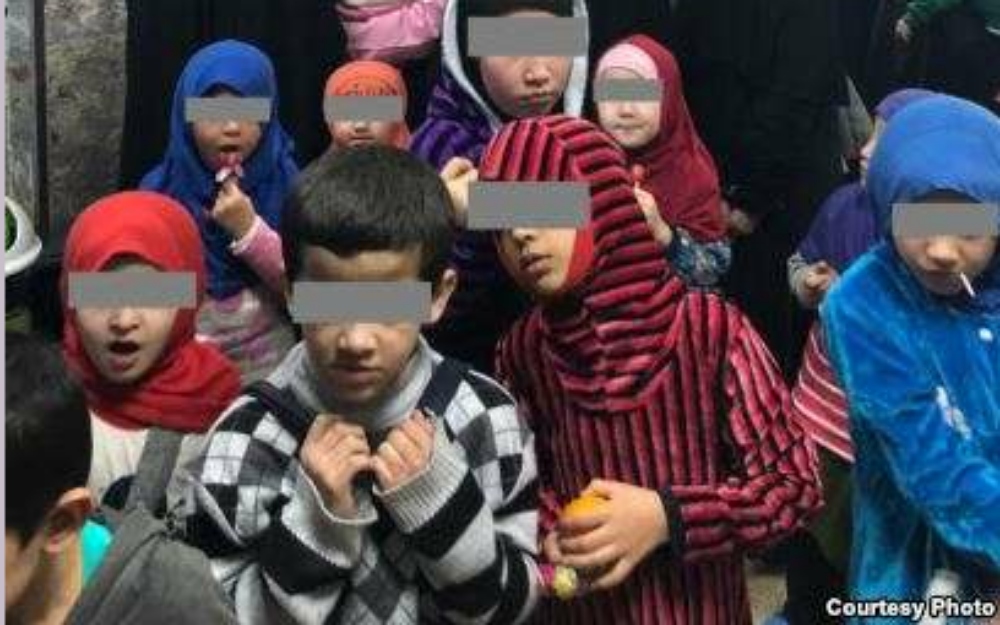
Returning children are expected to undergo medical check-ups and receive any necessary medical treatments and vaccinations soon after their arrival.
Officials say trained psychologists and teachers will work with children long-term to help them to adapt to their new life in Tajikistan.
All of the children in the group expected to return by the end of March will be placed with family members who were approached by the government and agreed to be named legal guardians.
In Dushanbe’s Rudaki district, Gulchehra Usmonova is refurbishing her eight-room, two-story house to accommodate her three grandchildren.
The children, a boy and two girls, are aged between two and eight. Usmonova has never seen the girls: they were both born in Iraq, she says.
The mother of the children, Ganjina Usmonzoda, went to Iraq along with her husband and their son in 2015.
The husband is believed to have been killed in Mosul, where Usmonzoda, 27, was arrested by Iraqi authorities.
“My daughter, Ganjina, called me in February and said she was sending the children to Tajikistan. We readily accepted that we’ll take care of them,” the grandmother told RFE/RL on March 6.
Usmonova, a businesswoman, says she will do her “best” to raise the children, and that her two grown-up sons who live nearby have promised to help. She blames her son-in-law for taking his family to live under IS.
In Dushanbe’s Shohmansur neighborhood, Sabzagul Kamolova also awaits the arrival of her grandchildren.
Her daughter, who is serving a jail sentence in Baghdad, has five children. Two of them were born under the IS in Iraq.
“My grandchildren coming home is the best news I’ve ever heard,” Kamolova says. “My daughter told me she’s sending four of them, and keeping the youngest, because she’s still breastfeeding the child.”
Iraq Wants Them Out
Baghdad said in 2018 that at least 833 children of 14 nationalities were being held in Iraqi prisons and called on their home countries to repatriate the children.
“We ask all diplomatic missions in Iraq, resident and nonresident, to take back their nationals who have served their sentences and children who are not convicted,” Iraqi Foreign Ministry spokesperson Ahmed Mahjoub said on July 3.
Tajikistan last year returned six Tajik children who were taken by their parents to Iraq.
Tajik authorities say more some 2,000 people from the predominantly Muslim country have left for Iraq and Syria since 2014 to join IS.
More than 100 people in total, including families with children, have returned from the conflict zone — both before and after the amnesty was offered in 2015.
Some were convicted of being mercenaries or recruiting for foreign terrorist organizations. Most, however, have reintegrated into society under the watchful eyes of authorities, including security services and neighborhood committees.
Some of the returnees take an active part in the government’s anti-extremism campaign, giving speeches about IS atrocities they witnessed, and warning about potential recruiters who prey on vulnerable young people.
The secular government in Dushanbe strictly controls people’s practices of Islam, banning school-age children from attending mosque prayers, outlawing the wearing of the hijab in schools and offices, and closing down madrasahs.
Copyright (c) 2019. RFE/RL, Inc. Reprinted with the permission of Radio Free Europe/Radio Liberty, 1201 Connecticut Ave NW, Ste 400, Washington DC 20036.