




Let’s take a look at India’s parliamentary system:
The President and two chambers of India’s Central Legislature are referred to as “Parliament.”
The House of the People (Loksabha) is the lower body, while the Council of States is the upper house (Rajya sabha)
Because he summons and moves the House of Parliament, the President of India is an internal part of the Union parliament.
He also has the authority to dissolve the House of People.
Without the President’s approval, no Bill can become an Act of Parliament.
The House of People is the Indian parliament’s popular chamber.
It is made up of national representatives.
The House of the people is limited to 545 members, with 530 directly elected from the 25 states via universal direct adult franchise, 13 from the seven Union territories, and two members selected by the President to represent the Anglo-Indian community.
Every citizen of India who is at least 18 years old has the right to vote in the House of People’s elections.
The House of Representatives has a five-year term.
The Speaker and Deputy Speaker are elected by the House of People from among its members.
The speaker, or the Deputy Speaker in his absence, preside over House meetings.

Unintentionally British Man Uses His Wife’s Passport to Travel to Spain

Ducks Are Not Household Pets

AI Employment Fruad

Jeny Holds the Record for Longest Tail on a Horse
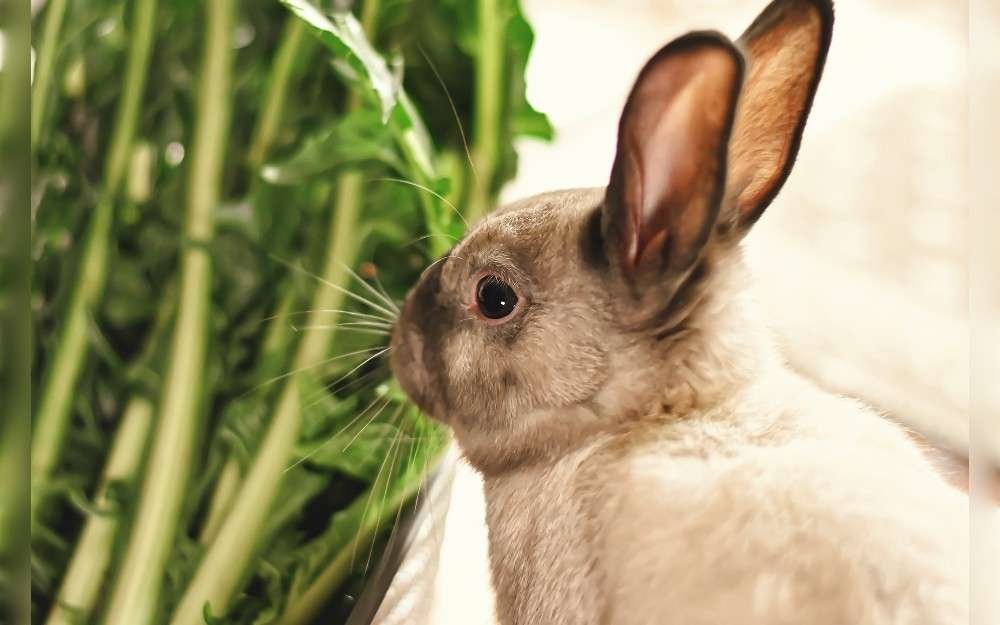
Maintanence of Pet Rabbit
AI Powered Advanced Cyber Attacks
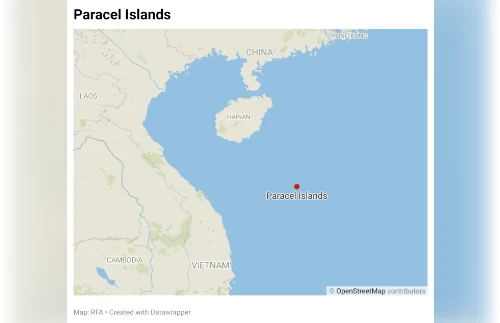
China Pushes Sovereignty Claims Through Patriotic Cruises to Disputed Paracel Islands