




Authorities in northwest China’s Xinjiang Uyghur Autonomous Region (XUAR) have removed the statue of a progenitor of Uyghur medicinal science from the site of a hospital in the capital Urumqi, as part of what observers say is an ongoing campaign to eradicate the ethnic group’s culture.
Ghazibay, who lived in present-day Hotan (in Chinese, Hetian) between 460 and 375 B.C., was the author of a famous medical treatise—the modern Uyghur-language title of which translates as “Ghazibay’s Encyclopedia of Herbal Medicines.”
A listener recently told RFA’s Uyghur Service that a statue of Ghazibay, whose work documenting medicinal herbs is believed to have drawn disciples of Plato to the Tarim Basin, was taken down from in front of the XUAR Hospital of Uyghur Medicine sometime after authorities launched a campaign of extralegal incarceration in the region in early 2017. Up to 1.8 million Uyghurs and other Muslim minorities are believed to have been detained in a vast network of internment camps since then.
RFA was able to determine from images taken in front of the hospital that the statue was removed sometime between Oct. 26, 2017 and March 9, 2018.
Additionally, a video produced by the hospital that began circulating on Aug. 16, 2019 shows doctors and other hospital staff participating in a flag-raising ceremony and singing “red,” or patriotic, songs in front of the main building, where the statue is nowhere to be found. Details of the hospital grounds visible in the film suggest that the site where the statue once stood now serves as a dedicated space for such forms of compulsory political education.
RFA spoke with a nurse at the XUAR Hospital of Uyghur Medicine who confirmed that the statue, which she said was erected in late 2015 or early 2016 following the multi-year construction of a new 17-story main building on the hospital grounds, had been removed from the site as part of a “standardization” process for medical centers in the capital.
“It happened at the end of [2017],” she said. “Because we’re a large hospital, they were starting to reorganize things related to Uyghur medicine and Uyghur culture at the time.”
While the nurse said she was unaware of the reason for the statue’s removal, her use of the term “reorganize” suggests that it was part of an elimination drive by authorities.

A pioneer in Uyghur medicine’
RFA spoke with Mutellip Elihajim, who has served as the leader of a group conducting research on Uyghur medicine since relocating to Turkey from the XUAR in 2016, about Ghazibay and his contributions to the science.
According to Elihajim, everyone in the field of Uyghur medicine knows the figure of Ghazibay because his biography is considered so essential that it is the basis of a lesson in the curricula of medical schools.
“We introduced Ghazibay [to students] as a pioneer in Uyghur medicine,” said Elihajim, who before leaving Xinjiang for Turkey had worked in the field for more than 30 years, with stints teaching at the Hotan Prefectural Hospital of Uyghur Medicine and a technical college.
“The Hospital of Uyghur Medicine in Urumqi called me in to share my expertise after they built the new 17-story building at the hospital. They had sketched out a plan to put the statue in front of that building. It was 2016. I got a message saying they’d put the statue up after I came [to Turkey].”
In the eyes of local scholars, he said, Ghazibay and the encyclopedia he left behind provide evidence that Uyghur medicine has a 2,500-year history.
“He was a Uyghur doctor, pharmacist, and expert who lived … before the Prophet [Mohammed], which is why we have made statues of him and commemorated him in books … So, this statue is very important,” he said.
Elihajim, who has written more than 30 books and textbooks in his field of specialty, noted that the statue of Ghazibay erected at the XUAR Hospital of Uyghur Medicine was not the first devoted to the historical figure.
Earlier, he said, Halmurat Ghopur—a Uyghur doctor, government official, and university administrator who was disappeared by authorities in 2017 and given a two-year deferred death sentence in 2018—played an important role in the construction of another statue commemorating the scholar and his place in Uyghur medicine. That statue was erected on the grounds of the Qi Kang Factory, an Urumqi-based factory that produces traditional Uyghur medicines, in 2005.

‘Cultural genocide’
The removal of the statue of Ghazibay from the grounds of the XUAR Hospital of Uyghur Medicine in late 2017 coincides with regional party secretary Chen Chuanguo’s intensification of a campaign many China watchers say is aimed at eradicating Uyghur culture through assimilation, and what some have termed “cultural genocide.”
In 2017, Chinese authorities began to implement policies aimed at “unifying” Uyghur medicinal terminology and making it mandatory to take a Chinese-language exam in order to obtain a certificate for practicing Uyghur medicine.
Further, in the past few years they have begun widely producing local medicines in Chinese factories and consolidating Chinese medicine pharmacies with Uyghur medical facilities run by county-level governments. These different actions have stoked fears that the field of Uyghur medicine, with its long history and distinctive forms of specialized local knowledge, has been severely damaged in the process.
Reported by Gulchehra Hoja for RFA’s Uyghur Service. Translated by the Uyghur Service. Written in English by Joshua Lipes.
Copyright © 1998-2020, RFA. Used with the permission of Radio Free Asia, 2025 M St. NW, Suite 300, Washington DC 20036. https://www.rfa.org

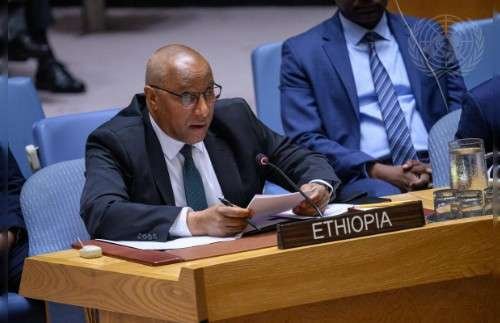
UN Security Council Meets on Situation in Sudan and South Sudan
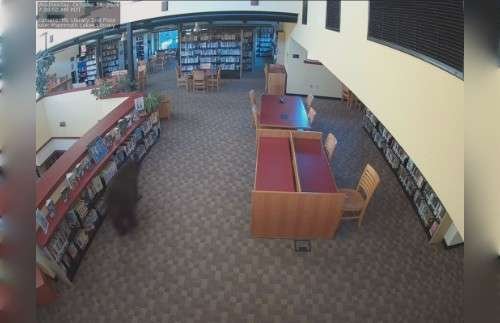
Black Bear Breaks into California Library and Eats Peanut Butter,Honey
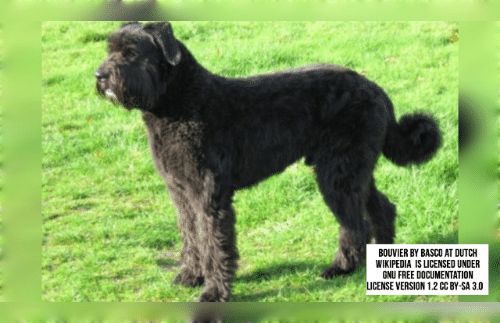
Bouvier Des Flandres Dog Breed
Foundation Models
China Covered Up the Cause of a Detained Uyghur Father’s Death
UN Security Council Meets on Situation in Middle East, Including Palestinian Question

Six-Year-Old Becomes World’s Youngest DJ
Subscribe Our You Tube Channel

Fighting Fake News
Fighting Lies