



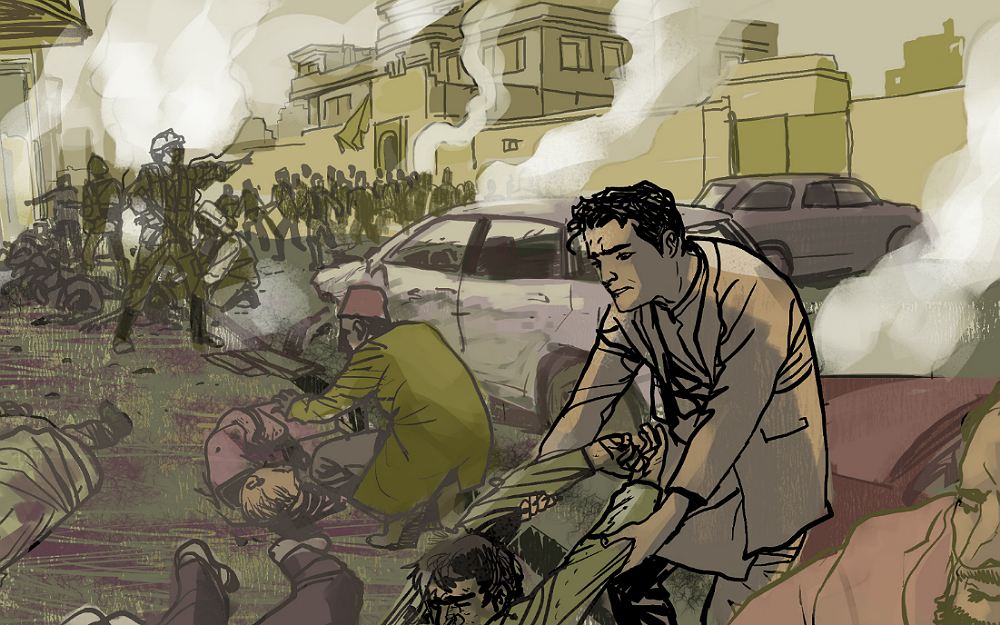
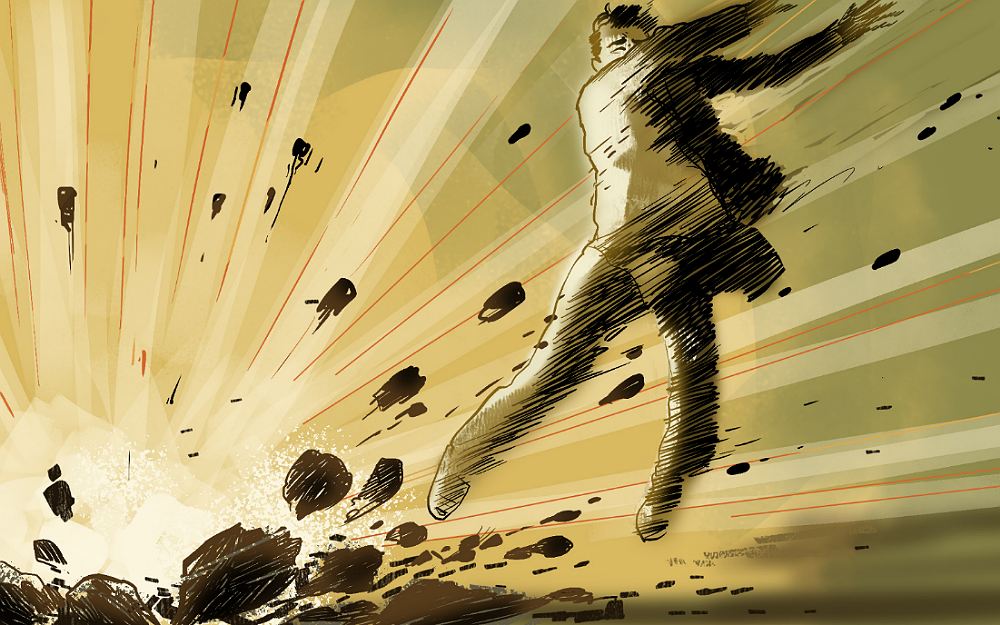
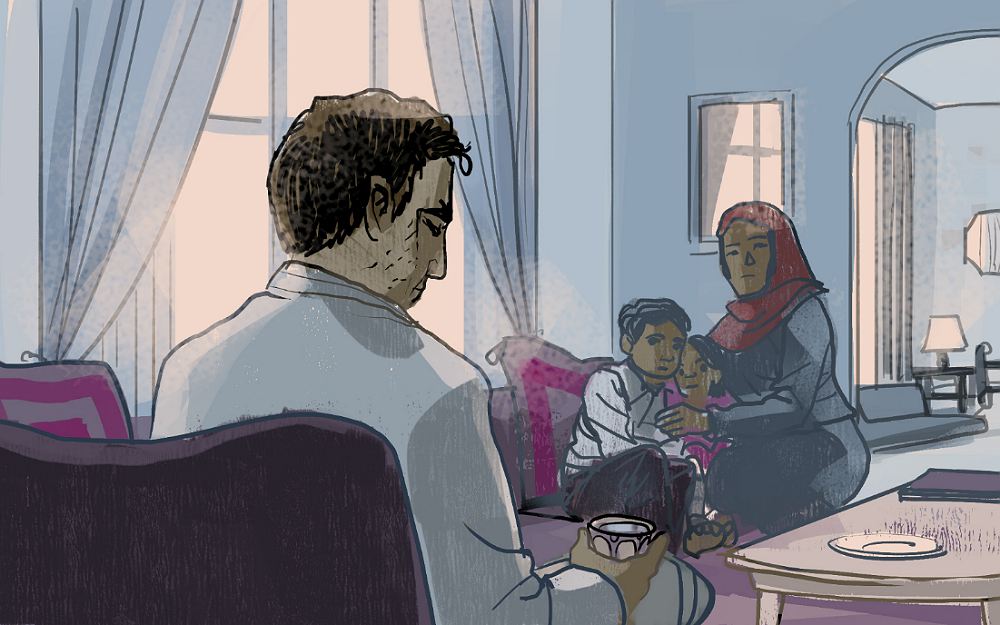
On April 22, 2018, a suicide bomber detonated an explosive charge near the doorway of a voter registration center in Kabul’s Shia-majority Dasht-e Barchi neighborhood, killing at least 57 people and injuring another 119. Meters away from the blast was “Arash,” a 27-year-old delivery driver and father to a 4-year-old son and 2-year-old daughter. Like many other bystanders, he rushed to the scene to try and help survivors. Instead, he ended up collecting the dead and their severed limbs: feet, hands
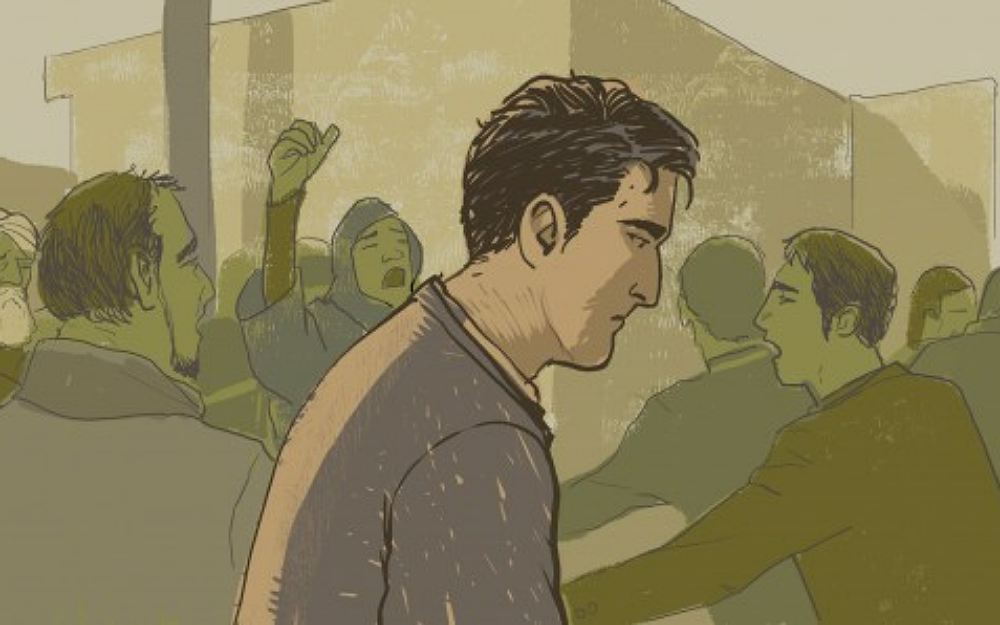
© 2019 John Holmes for Human Rights Watch
I did not forget a single moment of this attack – day or night,” he said, recalling how the attack changed his mood and behavior. “Before the attack, I could get angry, but not like this….But due to the economic problems, I just suffered on my own and did not go to the hospital. I just remembered every moment, until the next attack [I experienced”
The Afghan government is failing to provide sufficient psychosocial, or mental health, support to Afghans who have experienced traumatic events, Human Rights Watch said today. More than half the Afghan population, including many survivors of conflict-related violence, struggle with depression, anxiety, and post-traumatic stress, but fewer than 10 percent receive adequate psychosocial support from the state, according to government documents. The Afghan government and international donors should expand mental health services and outreach campaigns.
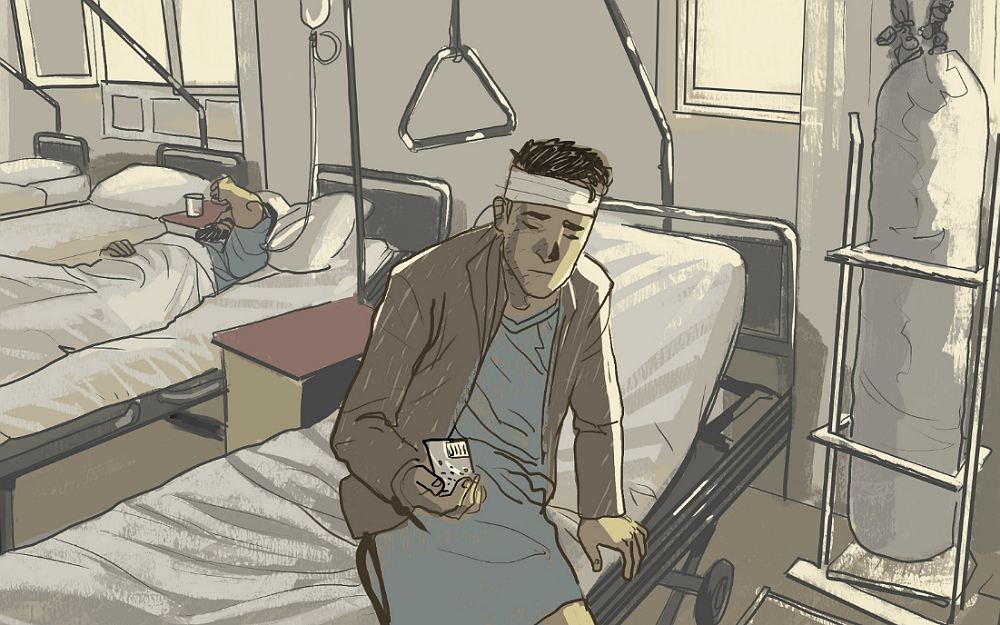
Unconscious, Arash was first taken to the Istiqlal, one of the largest public hospitals in the capital, and then to a surgical center for war victims run by Emergency, an Italian organization. Arash stayed at the hospital for one week, treated by foreign doctors and nurses. “When I was under treatment, I got medicine,” he said. “When I got discharged, I got a pocket of paracetamol tablets. No one asked me how I felt [mentally], all they did was a physical examination.”
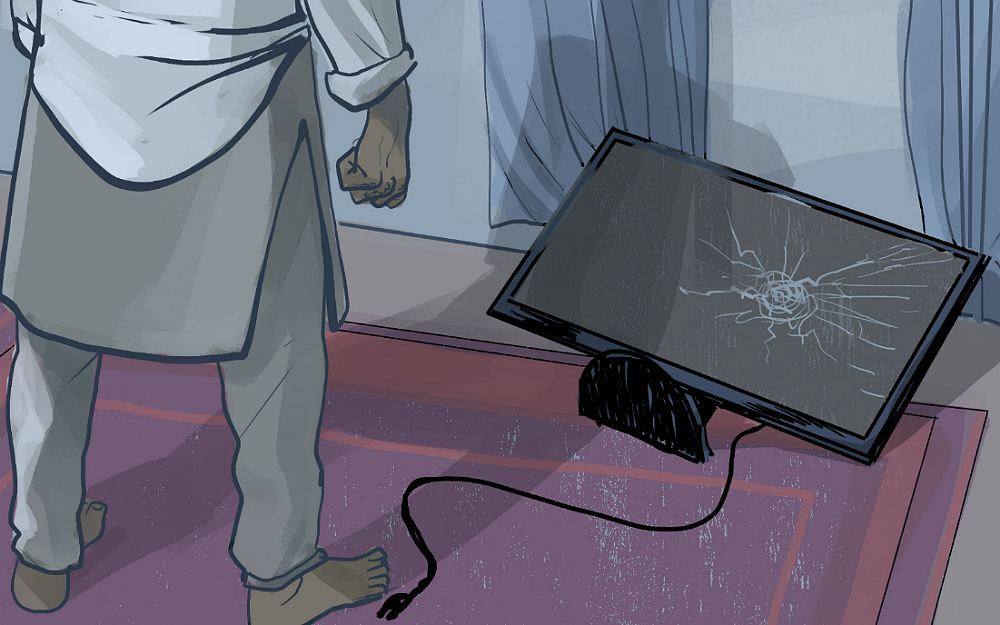
The April 2018 and March 2019 attacks had a significant impact on Arash’s psychological wellbeing and that of his entire family. “One day, my wife was not at home and I turned on the TV and didn’t like what I saw,” Arash said. “I was hearing that there was an attack and that the Taliban were gaining ground. So I punched the TV and broke it.” The incident was not?? the last in a series of angry outbursts that Arash attributed to the attacks.
© 2019 John Holmes for Human Rights Watch
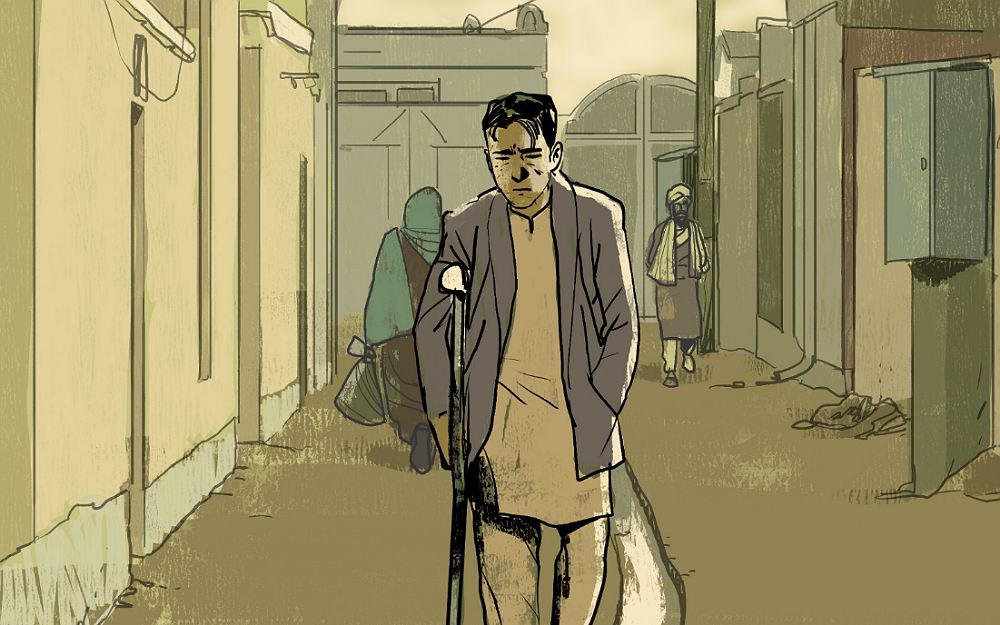
Because of where he lives, Arash said he is constantly confronted by the memories of the attack. “It happened in my street,” he said. “Every day, I have to pass through, and I remember the smoke, the ashes, the darkness and the sounds.” Adding to Arash’s concerns are his young family’s economic situation. Because of pain to his leg, he said he cannot work anymore, and he does not know how to feed his family. “I used to be very strong,” he said. “But now I feel like a half person.”
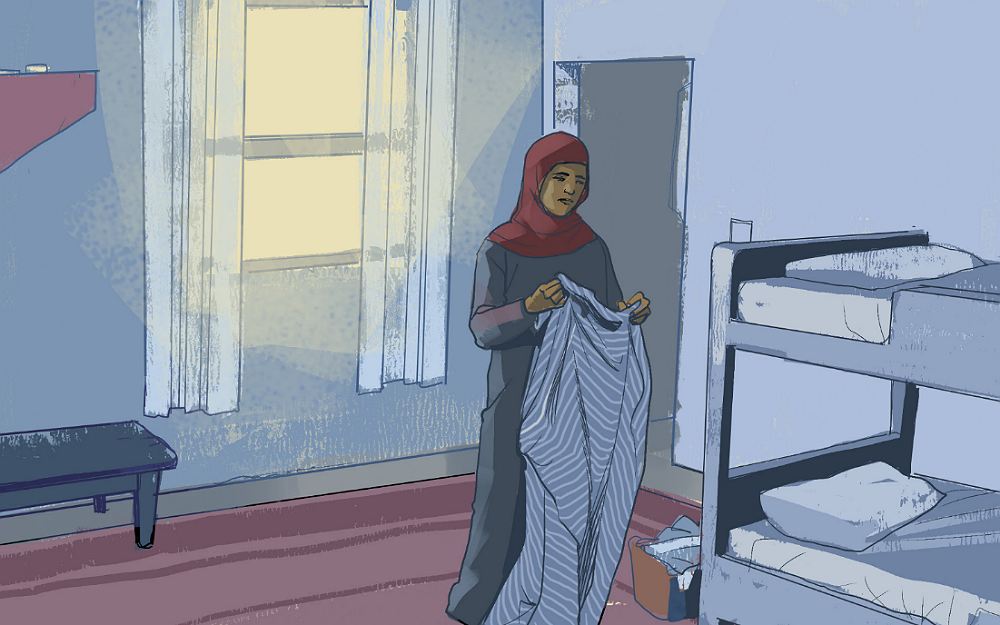
In a separate interview, Arash’s wife, “Mozhdah,” 26, said the attacks changed her life completely: “In the past, life was good,” she said. “Not anymore. I was pregnant for two months [when the second attack happened]. When I saw the injured body of my husband, I was shocked and lost the baby two days later.”
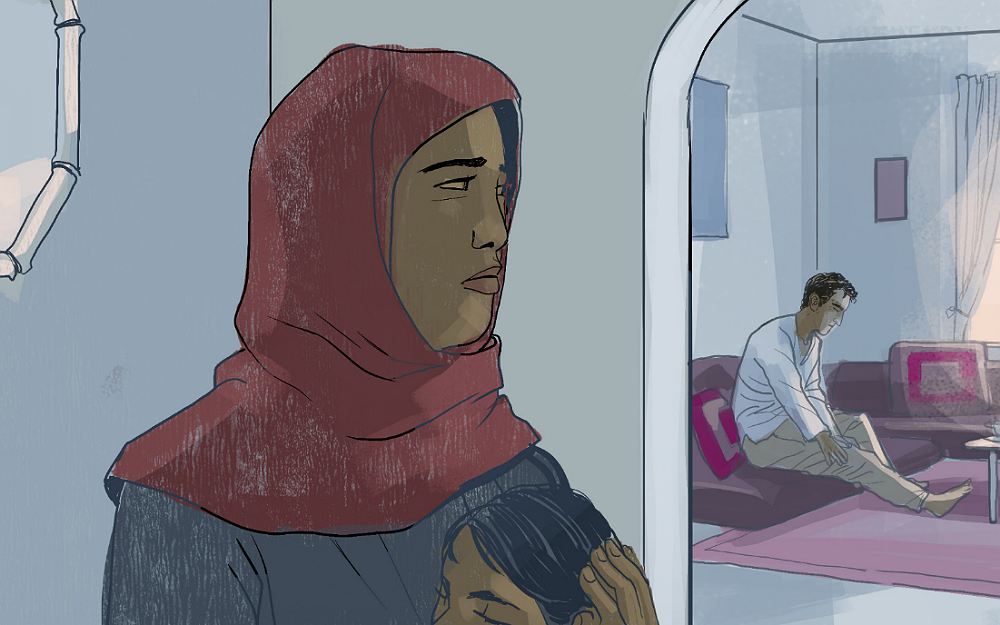
Adding to Mozhdah’s despair is her husband’s present psychological state: “Sometimes I feel bad, but I am forcing myself to manage the house and the children since my husband is sick,” she said. “When I get angry or sad or pressurized, I don’t enter the house because I don’t want him to feel bad.…I cannot breathe, I feel like I’m suffocating and just start to cry loudly. If I don’t, it feels like I cannot speak.”
The Afghan government is failing to provide sufficient psychosocial, or mental health, support to Afghans who have experienced traumatic events, Human Rights Watch said yesterday.
According to Human Rights Watch, more than half the Afghan population, including many survivors of conflict-related violence, struggle with depression, anxiety, and post-traumatic stress, but fewer than 10 percent receive adequate psychosocial support from the state, according to government documents. The Afghan government and international donors should expand mental health services and outreach campaigns.

Quiz:Origins of Dog Cat Breeds
The Donggyeongi dog breed originated in which country?Which country is where Coton de Tulear originated?Which country is the origin of the Akbash dog breed?The country of origin of the Saint Hubert Jura Hound Dog breed?

Algorithmic Trading Fraud
The misuse of automated trading algorithms to control financial markets including spoofing or layering is known as algorithmic trading fraud.Both spoofing and layering are strategies to manipulate a market.
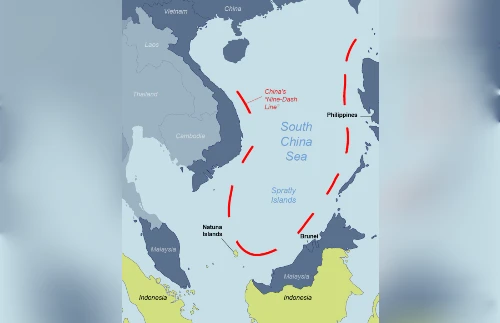
China-Laos Air Base Could be Another Southeast Asian Forward Outpost for Beijing
A new joint military training facility in Laos could give Beijing a lasting foothold in mainland Southeast Asia even without an immediate boost to its combat power, analysts told Radio Free Asia.
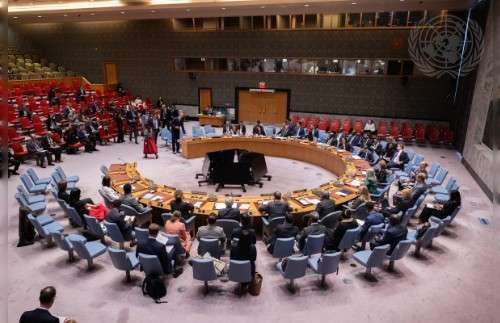
UN Security Council Discusses Developments in Kosovo
A wide view of the United Nations Security Council meeting on developments in Kosovo and the United Nations Interim Administration Mission in Kosovo (UNMIK).
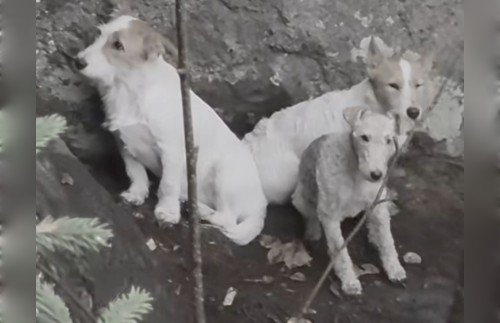
Quebec Animal Rescue Rescued Three dogs That Were Stuck on Cliff for Five Days
Three dogs that were stranded on a 75-foot cliff in the Laurentians for five days were rescued by a Quebec animal rescue named Sauvetage Animal Rescue on October 19 after they fell about thirty feet and were stuck on a cliffside plateau near Sainte-Agathe-des-Monts zipline park for five days.
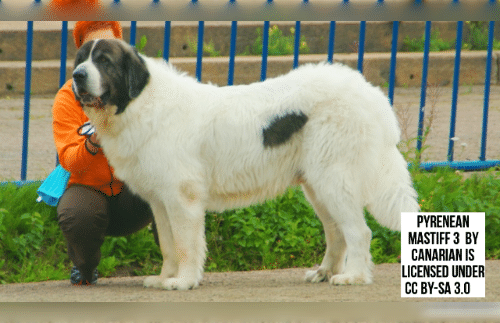
Pyrenean Mastiff Dog Breed
Large Pyrenean Mastiff dogs are native to Spain’s Aragonese region of the Pyrenees.They have long, thick, dense coats, more visible at the back of the legs, beneath the belly, and around the neck and shoulders.The coat is mostly white and has a distinct mask. There could be colored markings on the body.

Autonomous AI Agents
Artificial intelligence (AI) scams are fraudulent activities that use AI such as voice cloning, deepfake videos, large language models, and increasingly autonomous AI agents to deceive people in ways that would be impossible for human scammers to accomplish on their own.
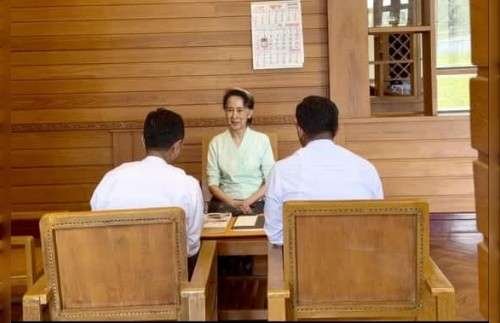
Rare Photos of Aung San Suu Kyi Spark Renewed Calls for Her Release
Myanmar’s military-backed government released images of deposed former leader Aung San Suu Kyi receiving items sent by King Charles III of the United Kingdom, a development that brought on renewed calls for the ousted former leader’s release.