



Few corroborate such claims but isolated incidents have occurred, administration and police acknowledge
Jesmin Papri/Dhaka
Baul minstrels are alleging that “fundamentalist” Islamic threats against their performances have risen since the fall of the Sheikh Hasina government in Bangladesh, but the country’s interim administration and police say such incidents are isolated.
The Bauls, itinerant performers who follow Islam’s mystical and syncretic Sufi tradition, were a target of religious zealots during the Hasina years as well, as BenarNews reported. A hardline group, Hefazat-e-Islam, acknowledged that it was still demanding a ban on Baul performances, which it views as anti-Islamic.
However, a group that represents some of the community’s top Baul performers claims it never had to cancel as many performances back then as it did this year.
“Since October, 321 Baul performances have been forcibly canceled, with 91 in Dhaka alone,” said Sarder Hirak Raja, general secretary of the Bangladesh Baul and Folk Artists Association.
The elements who oppose the Bauls cut across the political spectrum, he said.
“There are individuals who, without understanding, perceive culture as harmful to religion. This reflects a form of fanaticism that exists across all political parties,” Hirak Raja told BenarNews.
The Awami League administration collapsed on Aug. 5 when Prime Minister Hasina fled the country following a student protest that turned deadly and became a mass movement demanding she step down.
Under the Awami government, attacks and threats against Bauks were isolated, according to Hirak Raja.
Through the last decade, though, BenarNews reported about miscreants cutting the hair and beards of Baul singers.
Baul artists were also being embroiled in cases lodged against them by religious fundamentalists under the draconian Digital Security Act for allegedly insulting Islam, Baki Billah, a human rights activist in Dhaka, told BenarNews in 2021.
In November, Bangladesh’s interim government decided to repeal and replace this act, a draft of which is currently being discussed.91
At the Bangladesh police headquarters, Enamul Haque, an assistant inspector general, said the department would look into any violent or threatening incidents.
“In some places after attacks some cases were filed and police are thoroughly investigating the cases to identify the perpetrators,” he told benarNews.
Baul minstrels are alleging that “fundamentalist” Islamic threats against their performances have risen since the fall of the Sheikh Hasina government in Bangladesh, but the country’s interim administration and police say such incidents are isolated.
The Bauls, itinerant performers who follow Islam’s mystical and syncretic Sufi tradition, were a target of religious zealots during the Hasina years as well, as BenarNews reported. A hardline group, Hefazat-e-Islam, acknowledged that it was still demanding a ban on Baul performances, which it views as anti-Islamic.
However, a group that represents some of the community’s top Baul performers claims it never had to cancel as many performances back then as it did this year.
“Since October, 321 Baul performances have been forcibly canceled, with 91 in Dhaka alone,” said Sarder Hirak Raja, general secretary of the Bangladesh Baul and Folk Artists Association.
The elements who oppose the Bauls cut across the political spectrum, he said.
“There are individuals who, without understanding, perceive culture as harmful to religion. This reflects a form of fanaticism that exists across all political parties,” Hirak Raja told BenarNews.
The Awami League administration collapsed on Aug. 5 when Prime Minister Hasina fled the country following a student protest that turned deadly and became a mass movement demanding she step down.
Under the Awami government, attacks and threats against Bauks were isolated, according to Hirak Raja.
Through the last decade, though, BenarNews reported about miscreants cutting the hair and beards of Baul singers.
Baul artists were also being embroiled in cases lodged against them by religious fundamentalists under the draconian Digital Security Act for allegedly insulting Islam, Baki Billah, a human rights activist in Dhaka, told BenarNews in 2021.
In November, Bangladesh’s interim government decided to repeal and replace this act, a draft of which is currently being discussed.
At the Bangladesh police headquarters, Enamul Haque, an assistant inspector general, said the department would look into any violent or threatening incidents.
“In some places after attacks some cases were filed and police are thoroughly investigating the cases to identify the perpetrators,” he told benarNews.
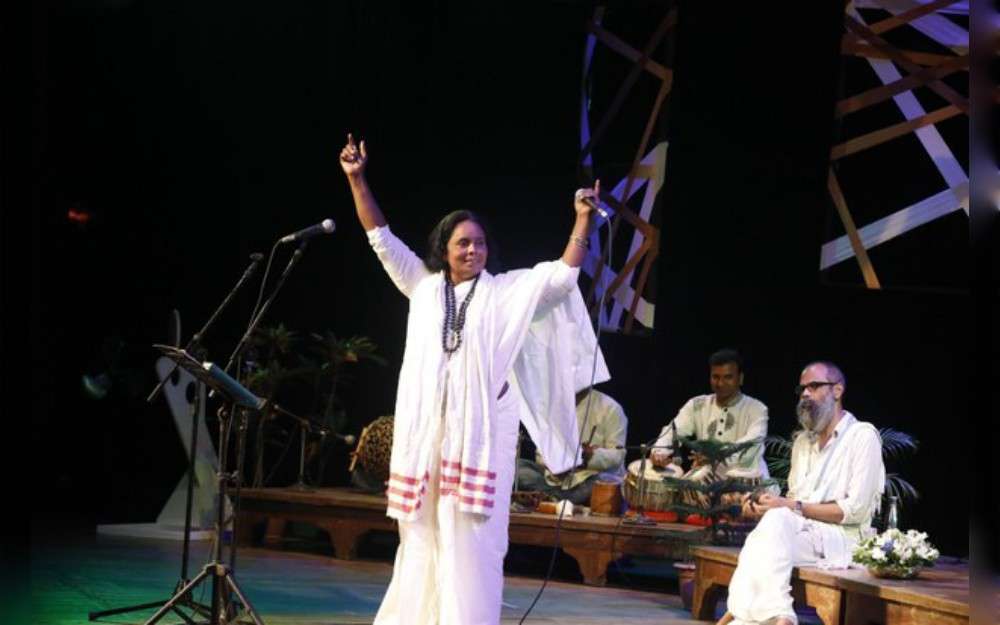
Shirin Sultana,a Baul singer from the Lalon Academy in southern Kushtia district, said that event cancellations had affected the community badly.
“This season sustains us for the rest of the year, but if performances keep getting canceled, Bauls will starve. At least twenty programs of our group have been canceled in the last two and a half months,” Shirin told BenarNews.
“Never before have we had so many programs canceled in one season.”
UNESCO ‘intangible heritage’
The Bauls are mostly prevalent in Bangladesh and in the Indian state of West Bengal.
After British colonial rulers partitioned India, the part of Bengal separated from India was called East Bengal, which is now Bangladesh, and the part that remained in India was named West Bengal.
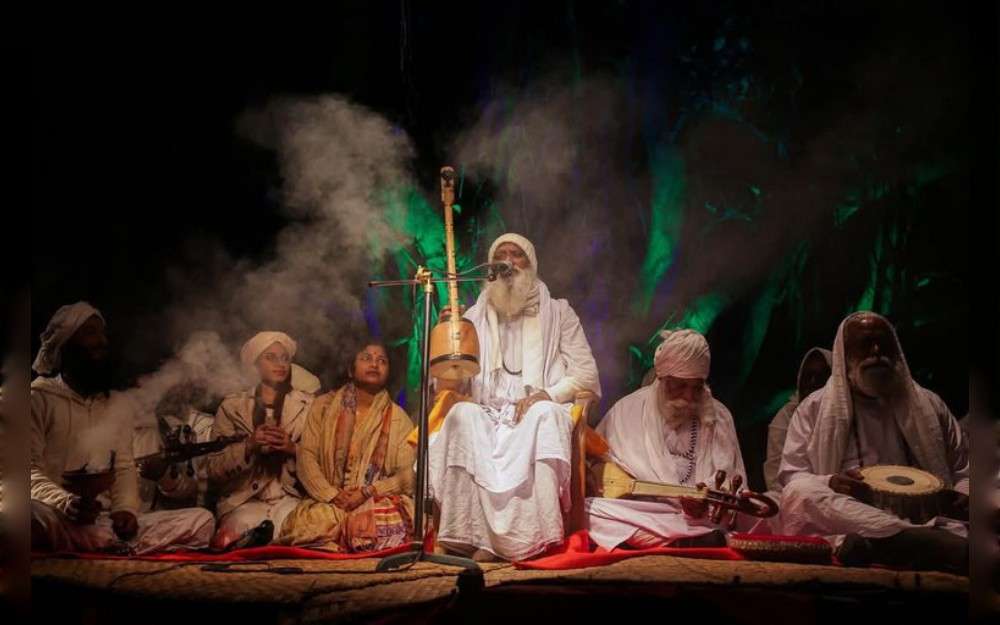
The Bauls, who can be identified in Bangladesh by their lungi – a white garb akin to a sarong and a long shirt, mainly survive on earnings from their performances. They perform with distinctive musical instruments – an “ektara,” which is single-stringed and produces a droning, bass-like sound, and the “dotara” with two strings that is akin to a lute.
In 2005, UNESCO, the cultural arm of the United Nations, proclaimed the Baul artistic genre a “Masterpiece of the Oral and Intangible Heritage of Humanity” and said the community had “always been a relatively marginalized group.”
Attacks alleged
On Dec. 2, according to Shirin, a group of people attacked a Baul performance venue in Gazipur. But Zahidul Hasan, the metropolitan police’s additional commissioner, said they weren’t aware of such an incident and BenarNews could not corroborate it.
“We were preparing to perform at the event when we learned that fundamentalists were destroying the stage, damaging instruments, and attacking the shrine’s khadem [caretaker] and others present,” Shirin said.
She said it was locals who told their group that the alleged disruptors were fundamentalists, who were saying that such events were not permissible in Islam.
In another area, Narayanganj near Dhaka, organizers claimed that Hefazat-e-Islam was the reason they had to cancel the annual Lalon festival there in November.
Mohammad Mahmudul Haque, Narayanganj deputy commissioner, said locals obstructing the event and Hefazat-e-Islam’s demand to stop the event were the “law and order concerns” that compelled the police to cancel the performance.
Religious hardliners Muslim-majority Bangladesh see the Baul minstrels – who are influenced by Hinduism, Buddhism and Sufi Islam – as heretics or apostates.
Hefazat-e-Islam spokesperson Maulana Mohiuddin Rabbani said that the folk music of the Bauls was “anti-Sharia” – against Islamic law.
The government, he said, must ban such events.
“If any person or organization claiming to be a Muslim plays songs that contradict the Quran, … then not just Hefazat-e-Islam, no Muslim can support it,” he told BenarNews.
“We demand that the government ban the anti-Islamic events that these Baul organizations are holding.”
He denied that his group’s members had resorted to violence, saying Hefazat was against “anti-Islamic” practices.
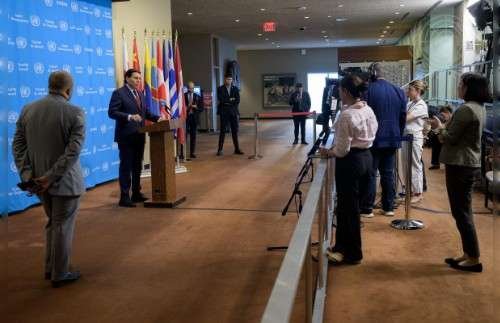
According to Sarwar Faruki, cultural adviser to the interim government, threats against Baul performances haven’t increased.
“While isolated incidents have occurred, the local administration has responded promptly to address them,” he told BenarNews.
Faruki urged organizers of Baul events to report any challenges to the local administrations.
“If you encounter any obstacles, it is crucial to inform the local authorities, who will take appropriate action,” he said.
Hadi Khapa, a veteran Baul artist, said his community was integral to Bangladesh culture.
“No one should erase our heritage,” he told BenarNews.
“If necessary, we will go to the High Court to defend our rights.”
Copyright ©2015-2024, BenarNews. Used with the permission of BenarNews.